



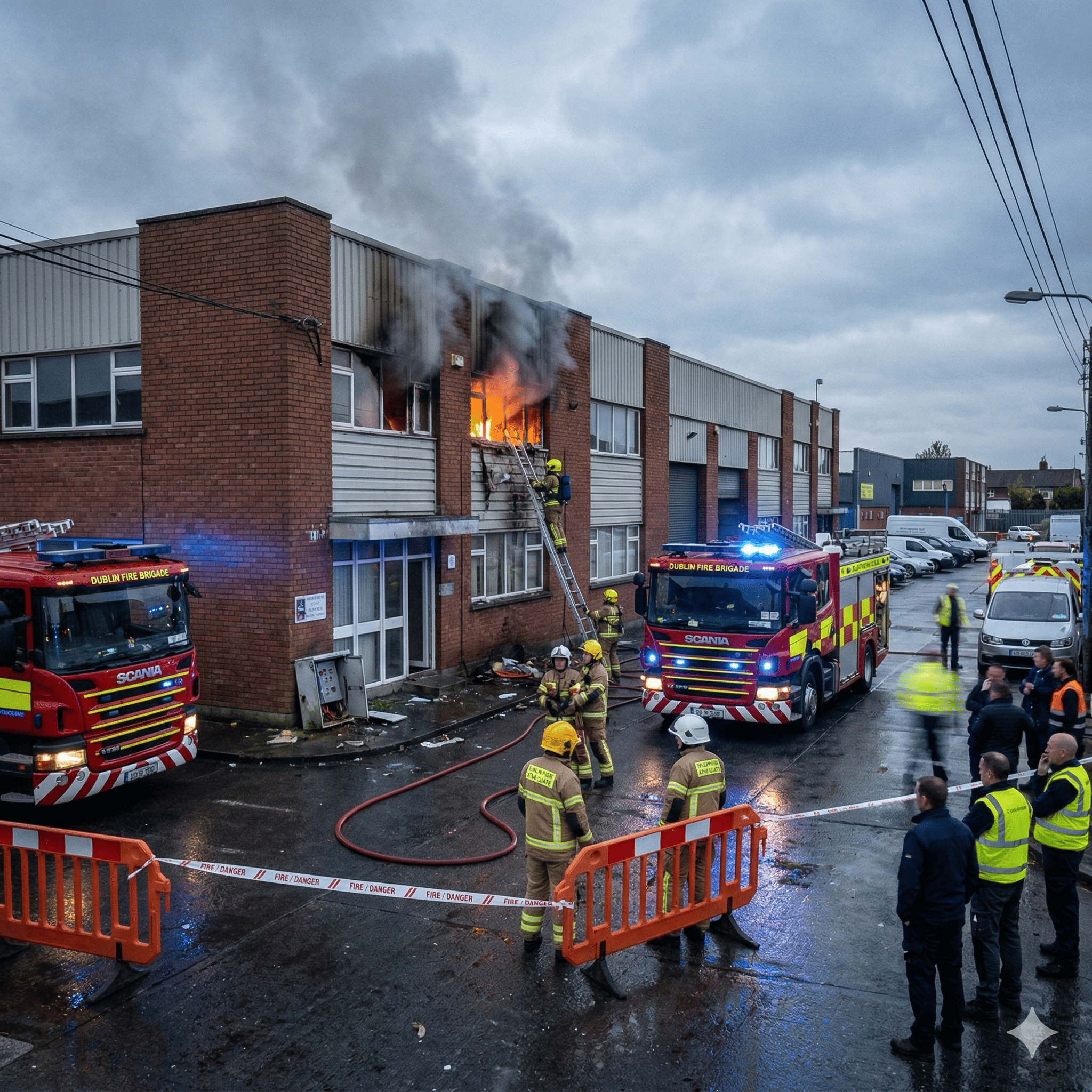
A fire risk assessment in the workplace is one of the most important components of effective fire safety training in Ireland. It is a legal requirement for employers and a critical step in preventing fires, protecting employees, and ensuring compliance with Irish health and safety legislation.
Every organisation, regardless of size or industry, must identify potential fire hazards, evaluate risks, and implement appropriate control measures. This process forms the backbone of structured workplace fire safety training in Ireland and is essential for obtaining recognised fire safety certification in Ireland.
What Is a Fire Risk Assessment?
A fire risk assessment is a systematic review of a workplace to identify:
-
Potential fire hazards
-
People at risk
-
Existing fire safety measures
-
Additional controls required to reduce risk
Under guidance from the Health and Safety Authority (HSA), employers are legally required to carry out regular risk assessments and keep them updated.
Completing a recognised fire safety course in Ireland helps employers and employees understand how to conduct and support this process effectively.
Step 1: Identify Fire Hazards
The first stage of a fire risk assessment involves identifying hazards using the Fire Triangle (heat, fuel, oxygen).
Common workplace hazards include:
-
Faulty electrical equipment
-
Overloaded sockets
-
Flammable liquids and chemicals
-
Accumulated waste materials
-
Blocked ventilation systems
-
Hot works such as welding or cutting
Through proper fire safety awareness training in Ireland, employees learn how to recognise these risks early and report them promptly.
Step 2: Identify People at Risk
Employers must consider who may be affected in the event of a fire, including:
-
Employees
-
Visitors and customers
-
Contractors
-
People with mobility impairments
-
Night or shift workers
Inclusive planning is a key part of health and safety fire training in Ireland, ensuring evacuation procedures are suitable for everyone on the premises.
Step 3: Evaluate and Reduce the Risks
After identifying hazards and people at risk, employers must evaluate:
-
The likelihood of a fire occurring
-
The potential consequences
-
The adequacy of existing safety measures
Risk reduction measures may include:
-
Improving housekeeping standards
-
Installing or upgrading fire detection systems
-
Providing fire extinguishers
-
Enhancing staff training
-
Appointing trained fire wardens
This is where fire prevention training in Ireland plays a major role, helping organisations reduce the chance of ignition by controlling heat sources and combustible materials.
Step 4: Record Findings and Implement Actions
Irish legislation requires employers to document significant findings and implement corrective measures.
Records should include:
-
Identified hazards
-
Actions taken
-
Assigned responsibilities
-
Dates of review
Maintaining accurate documentation supports compliance and strengthens internal workplace fire safety training in Ireland programmes.
Step 5: Review and Update Regularly
A fire risk assessment is not a one-time task. It must be reviewed:
-
Annually
-
After structural changes
-
When new equipment is introduced
-
Following a fire incident or near miss
-
When workforce numbers increase
Regular reviews ensure your fire safety training in Ireland remains aligned with current risks and workplace conditions.
The Role of Fire Wardens and Marshals
Effective risk assessment also involves trained personnel who support fire safety procedures.
-
Fire warden training in Ireland prepares designated staff to monitor hazards and assist during evacuations.
-
Fire marshal training in Ireland provides advanced knowledge for coordinating emergency response efforts.
These roles strengthen the overall fire risk management strategy within the workplace.
Why Fire Risk Assessments Matter
A properly conducted fire risk assessment helps organisations:
-
Prevent workplace fires
-
Protect employees and visitors
-
Reduce property damage
-
Avoid legal penalties
-
Maintain business continuity
Completing an accredited fire safety course in Ireland, including online fire safety training in Ireland, ensures employees understand their responsibilities in supporting fire risk assessments.
Conclusion
Fire risk assessment in the workplace is a legal obligation and a critical element of effective fire safety training in Ireland. By identifying hazards, evaluating risks, and implementing preventive measures, organisations significantly reduce the likelihood of fire incidents.
When supported by structured fire prevention training in Ireland, recognised fire safety certification in Ireland, and ongoing workplace fire safety training in Ireland, risk assessments become more than a compliance requirement — they become a powerful tool for creating safer, more resilient workplaces across Ireland.