



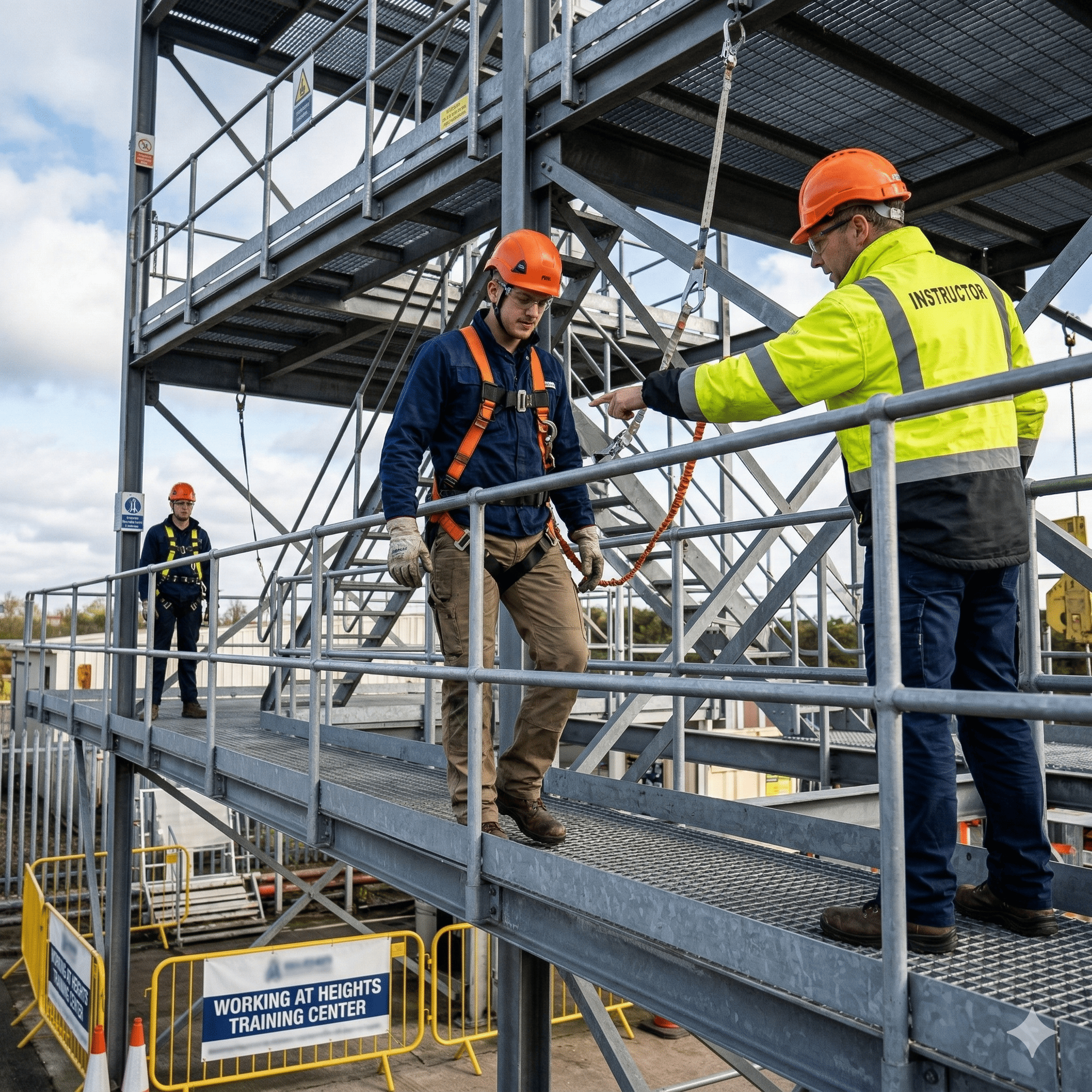
Working at heights is one of the most hazardous tasks in many industries, including construction, maintenance, warehousing, and utilities. To reduce the risk of accidents, Irish workers are required to undergo working at heights training and obtain a working at heights certificate. Despite this, mistakes during training are common and can compromise both learning outcomes and workplace safety.
This article outlines the common mistakes to avoid during working at heights training, highlights the benefits of working at heights online training, and explains how to get the most out of your health and safety courses online in Ireland.
Why Proper Training Matters
Falls from height are a leading cause of workplace injuries and fatalities in Ireland. According to the Health and Safety Authority (HSA), many of these incidents result from human error or inadequate training. Proper working at heights training ensures that employees:
-
Recognize hazards associated with elevated work
-
Use personal protective equipment (PPE) correctly
-
Operate ladders, scaffolds, and platforms safely
-
Respond appropriately to emergencies
Failing to engage fully in training or making avoidable mistakes can lead to unsafe work practices, accidents, and non-compliance with Irish workplace safety regulations.
Mistake 1: Skipping the Theoretical Modules
Some trainees try to rush through the course by skipping theory lessons, assuming practical exercises are sufficient. However, theoretical knowledge is critical for understanding:
-
Risk assessment and hazard identification
-
Irish health and safety laws related to working at heights
-
Safe use of equipment such as harnesses and lanyards
Skipping these modules can result in gaps in knowledge that compromise safety on the job. Whether in classroom training or working at heights online training, it’s essential to complete all theoretical components.
Mistake 2: Ignoring PPE Instructions
Personal protective equipment (PPE) is the most important line of defense against falls. A common mistake is not paying close attention to instructions on:
-
Correctly wearing a safety harness
-
Inspecting lanyards, ropes, and anchor points
-
Adjusting helmets and fall arrest systems
Failing to understand or use PPE correctly can lead to severe injuries, even if other safety measures are followed. Always follow instructor guidance or online demonstration videos carefully.
Mistake 3: Rushing Through Practical Assessments
Many learners are eager to complete their training quickly, leading them to rush through practical assessments. Demonstrating competence on scaffolds, ladders, or platforms requires focus and precision. Mistakes here can include:
-
Improperly securing harnesses or anchor points
-
Incorrect positioning on ladders or platforms
-
Not following emergency procedures
Taking the time to practice correctly ensures safety skills are fully understood and reinforces confidence for real-world applications.
Mistake 4: Not Asking Questions
Fear of embarrassment or rushing to finish the course can prevent trainees from asking important questions. Clarifying doubts during working at heights training is essential for:
-
Correctly understanding equipment usage
-
Learning best practices for hazard prevention
-
Fully grasping emergency procedures
Whether in an in-person class or working at heights online training with instructor support, asking questions ensures you don’t develop unsafe habits.
Mistake 5: Treating Training as a One-Time Requirement
Some employees view their working at heights certificate as the final goal and neglect ongoing learning. Safety standards, equipment, and best practices evolve, making refresher courses essential. Mistakes in this area include:
-
Not keeping certification up-to-date
-
Ignoring new safety protocols or updated regulations
-
Failing to practice skills periodically
Regularly reviewing your training through health and safety courses online helps maintain competence and ensures ongoing compliance with Irish safety regulations.
Mistake 6: Overlooking Emergency Procedures
Emergencies can happen at any time, and failing to understand how to respond can have severe consequences. Common mistakes include:
-
Ignoring emergency descent procedures
-
Not knowing how to use rescue equipment
-
Failing to respond calmly during simulated emergencies
During working at heights online training, pay special attention to modules covering emergency protocols and participate fully in any practical exercises or simulations.
Mistake 7: Poor Preparation Before Training
Showing up unprepared for a working at heights course can reduce learning effectiveness. Mistakes here include:
-
Not reviewing course materials in advance
-
Wearing inappropriate clothing or footwear
-
Forgetting essential items such as notebooks or PPE for practical sessions
Proper preparation ensures you can fully focus on learning and perform practical exercises safely.
Mistake 8: Neglecting Safety Checks
Training often emphasizes pre-task safety checks, but some learners skip these steps during practical exercises. Mistakes include:
-
Failing to inspect ladders, scaffolds, or anchor points
-
Using damaged PPE without reporting it
-
Ignoring environmental hazards such as wet or unstable surfaces
Developing a habit of conducting safety checks is critical for both training and real-world work at heights.
Benefits of Online Working at Heights Training
Many Irish workers now complete working at heights online training, which helps avoid common mistakes by providing:
-
Structured modules covering theory, equipment use, and emergency procedures
-
Interactive quizzes to reinforce understanding
-
Video demonstrations showing correct PPE use and practical techniques
-
Flexible pace, allowing learners to review complex material thoroughly
Online courses also allow you to combine multiple health and safety courses online, improving overall workplace safety knowledge.
Tips to Avoid Mistakes During Training
To maximize the effectiveness of your working at heights training, follow these tips:
-
Complete all theoretical modules thoroughly.
-
Pay attention to PPE instructions and practice using equipment correctly.
-
Take your time during practical assessments to ensure accuracy and safety.
-
Ask questions whenever you are unsure.
-
Keep your certification current and take refresher courses as needed.
-
Learn and rehearse emergency procedures thoroughly.
-
Prepare properly for your course with appropriate clothing and materials.
-
Perform all safety checks consistently during training and work tasks.
By avoiding these mistakes, Irish workers can ensure they gain the full benefits of training, earn a valid working at heights certificate, and remain competent on the job.
Who Should Take Working at Heights Training
Working at heights training is vital for a range of professionals in Ireland, including:
-
Construction workers and supervisors
-
Roofers and maintenance personnel
-
Window cleaners and painters
-
Warehouse staff using elevated platforms
-
Telecommunications and utility workers
Even employees who occasionally perform tasks at height benefit from proper training to reduce risks and meet legal requirements.
Conclusion
Completing working at heights training successfully requires focus, preparation, and a commitment to safety. Avoiding common mistakes—such as skipping theory, neglecting PPE, rushing practical exercises, and ignoring emergency procedures—ensures that training is effective and transferable to real-world tasks.
Working at heights online training provides Irish workers with flexible, interactive, and accessible ways to gain essential skills while avoiding these common pitfalls. Combined with other health and safety courses online, it supports continuous learning, regulatory compliance, and safer workplaces across Ireland.
Invest in your safety, follow best practices during training, and ensure your working at heights certificate truly reflects competence and readiness for the workplace.