



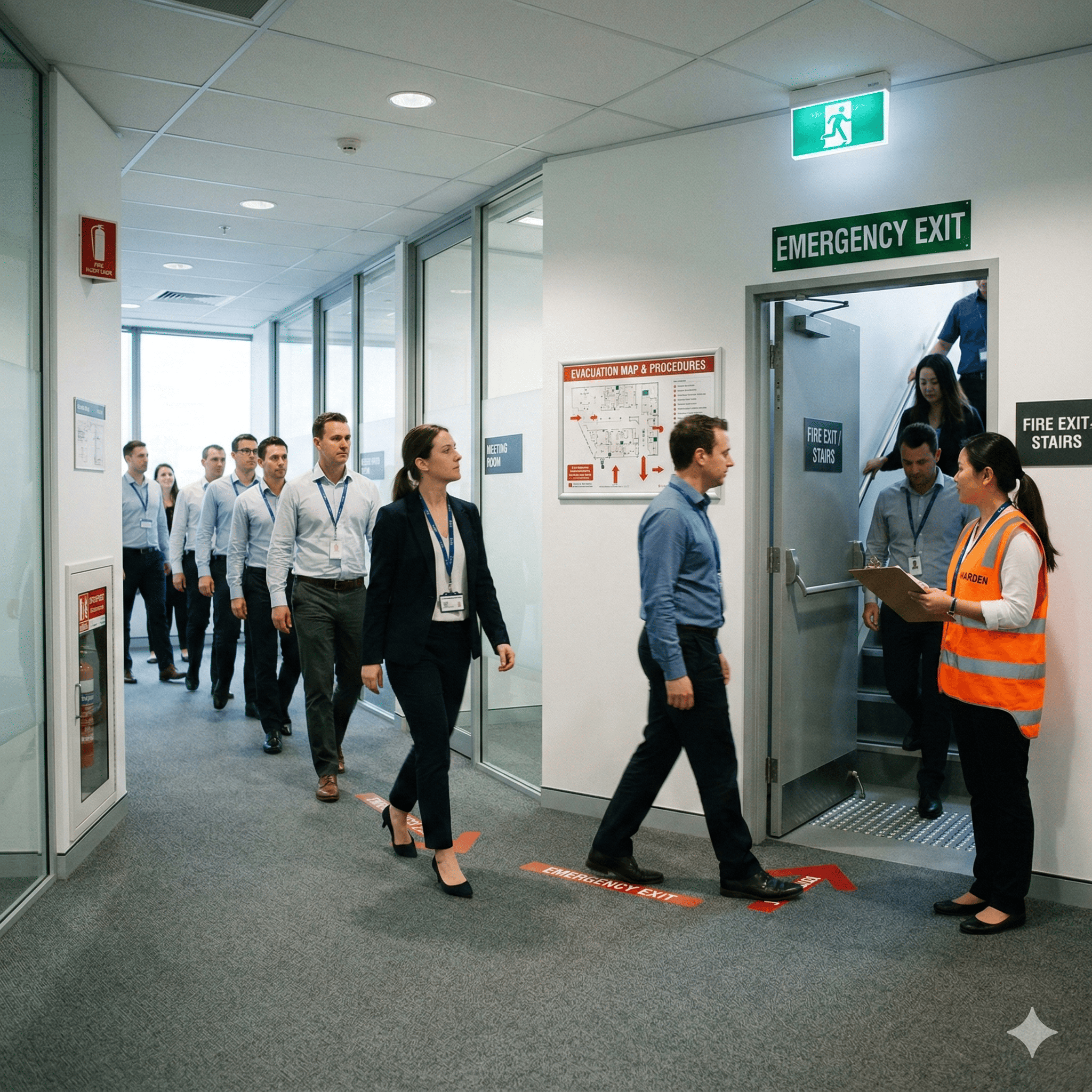
Effective emergency planning and evacuation procedures are essential components of fire safety training in Ireland. In the event of a workplace fire, a clear, well-practised plan can mean the difference between a safe evacuation and serious injury. Every organisation must ensure that emergency procedures are documented, communicated, and regularly reviewed as part of structured workplace fire safety training in Ireland.
Under Irish health and safety legislation, employers are legally required to prepare and implement appropriate emergency plans. Guidance is provided by the Health and Safety Authority (HSA), which emphasises the importance of training, preparedness, and clear communication.
Why Emergency Planning Is Critical
Fires can spread rapidly, often within minutes. Without a structured evacuation procedure, confusion and panic can increase risk. A recognised fire safety course in Ireland ensures employees understand:
-
How to raise the alarm
-
When and how to evacuate
-
Where to assemble
-
Who is responsible for coordination
Proper fire safety awareness training in Ireland reinforces these procedures and ensures everyone knows their role.
Key Elements of an Emergency Plan
A comprehensive emergency plan should include:
1. Clear Alarm and Notification Systems
Employees must know how to activate the fire alarm and understand what the alarm sounds like. Alarm systems should be tested regularly as part of ongoing health and safety fire training in Ireland.
2. Defined Evacuation Routes
All escape routes must be:
-
Clearly marked
-
Well lit
-
Free from obstruction
-
Easily accessible
Evacuation maps should be displayed throughout the workplace.
3. Designated Assembly Points
Safe assembly points must be identified outside the building, away from entrances and emergency access routes. Employees should be trained to report directly to these locations during evacuation.
4. Fire Wardens and Marshals
Designated personnel trained through fire warden training in Ireland or fire marshal training in Ireland are responsible for:
-
Sweeping designated areas
-
Assisting vulnerable individuals
-
Coordinating evacuation
-
Conducting roll calls
These roles are essential for maintaining order during emergencies.
5. Procedures for Vulnerable Persons
Emergency plans must consider individuals with mobility issues, disabilities, or specific medical needs. Inclusive planning is a key requirement of workplace fire safety training in Ireland.
Conducting Fire Drills
Regular fire drills are necessary to test emergency procedures and identify weaknesses. Drills help ensure that:
-
Employees respond promptly to alarms
-
Evacuation routes are effective
-
Fire wardens understand their responsibilities
-
Assembly points function as planned
Drills should be documented and reviewed to support compliance and maintain fire safety certification in Ireland standards.
Communication During Emergencies
Clear communication reduces confusion and panic. Emergency plans should specify:
-
Who contacts emergency services
-
How information is relayed to staff
-
How to manage visitors and contractors
-
How to prevent re-entry until authorised
These communication strategies are reinforced through structured online fire safety training in Ireland and in-person instruction.
Reviewing and Updating Emergency Plans
Emergency procedures must be reviewed:
-
Annually
-
After structural changes
-
When staffing levels change
-
Following an incident or near miss
Keeping procedures updated ensures continued compliance and strengthens fire prevention training in Ireland efforts.
Conclusion
Emergency planning and evacuation procedures are vital to protecting lives in the event of a workplace fire. Through comprehensive fire safety training in Ireland, including fire safety awareness training in Ireland and advanced fire warden training in Ireland, organisations can ensure staff are prepared to act quickly and safely.
A well-developed emergency plan, supported by regular drills and ongoing workplace fire safety training in Ireland, creates a safer, more resilient workplace where everyone understands their role in an emergency situation.