



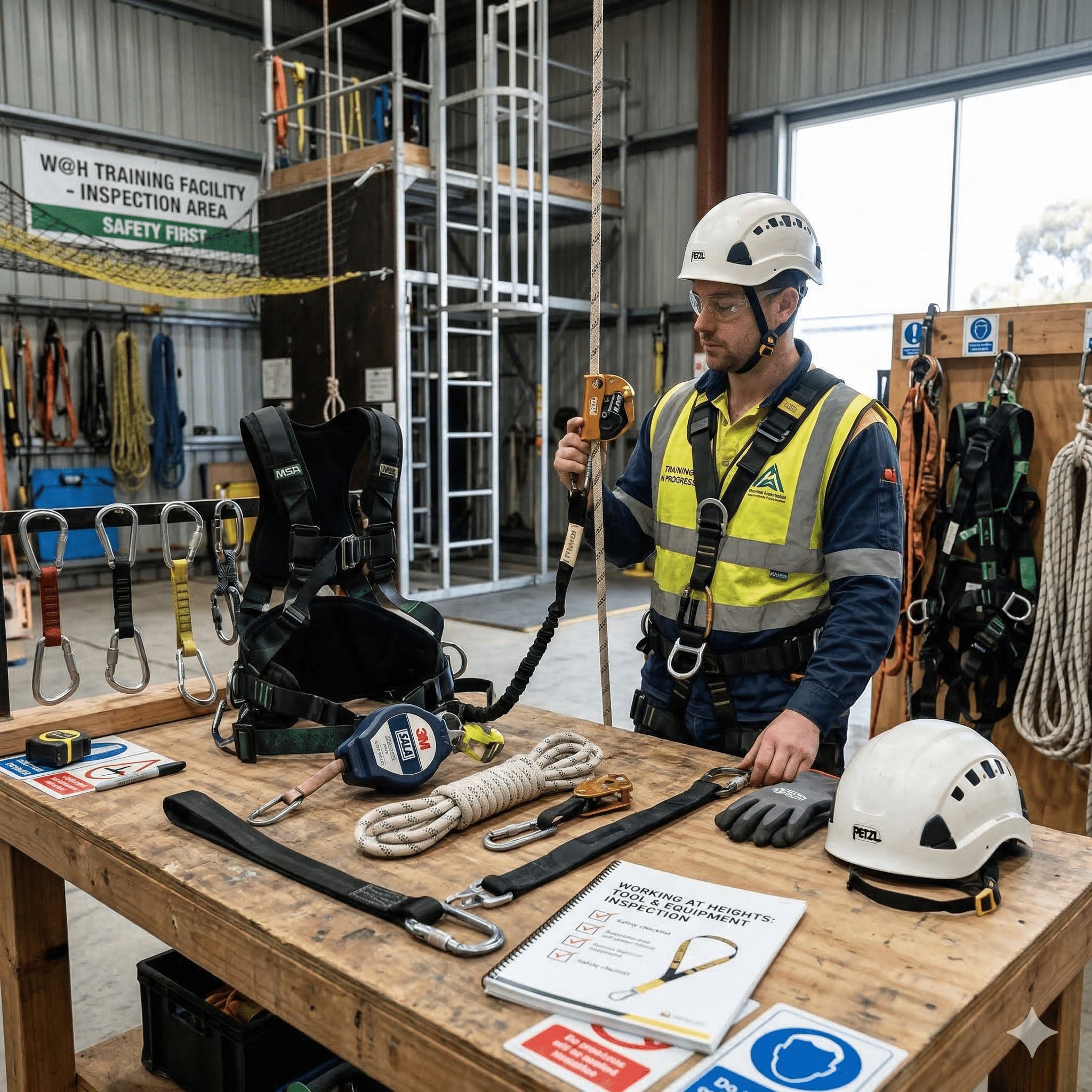
Working at heights is one of the most dangerous tasks across many industries, including construction, maintenance, telecommunications, and utilities. Falls from elevated positions remain a leading cause of workplace injuries and fatalities in Ireland. Because of these risks, employees must complete proper working at heights training to learn how to use safety equipment correctly and perform tasks safely.
Today, many workers gain this knowledge through working at heights online training and other health and safety courses online, allowing them to earn a working at heights certificate while learning essential safety practices. One of the key components of these courses is understanding the tools and equipment required to prevent falls and protect workers.
This article explores the essential tools and equipment covered in working at heights training, helping workers understand how these safety devices contribute to a safer workplace.
Why Equipment Knowledge is Important in Working at Heights Training
Working at height requires more than just awareness of risks. Employees must know how to properly use safety tools designed to prevent falls and reduce injury risks.
During working at heights training, participants learn how to:
-
Select the correct safety equipment
-
Inspect equipment before use
-
Use fall protection systems properly
-
Maintain and store equipment safely
-
Identify damaged or unsafe tools
Employees who complete working at heights online training gain the knowledge needed to handle equipment safely and receive a working at heights certificate that demonstrates competence in elevated work safety.
1. Safety Harness
A safety harness is one of the most important pieces of equipment used when working at height.
A full-body harness distributes the force of a fall across the body, reducing the risk of serious injury. During working at heights training, workers learn:
-
How to properly wear a harness
-
How to adjust straps for correct fit
-
How to inspect harnesses for wear or damage
-
How to attach harnesses to anchor points
Harnesses are commonly used when working on rooftops, scaffolding, towers, and elevated platforms.
Proper training ensures workers understand that a poorly fitted harness can be just as dangerous as not wearing one at all.
2. Lanyards and Shock Absorbers
Lanyards connect the worker’s harness to a secure anchor point.
Many lanyards include shock absorbers designed to reduce the force experienced during a fall. These systems slow the fall gradually and protect the worker from severe impact.
Working at heights training teaches participants:
-
The different types of lanyards
-
Correct attachment methods
-
How shock absorbers function during a fall
-
When to replace damaged or used lanyards
Understanding these tools is essential for workers performing tasks at significant heights.
3. Anchor Points
Anchor points are secure attachment locations used to connect fall protection equipment.
They can be permanent structures or temporary anchors installed during a project.
During working at heights online training, workers learn:
-
How to identify safe anchor points
-
The weight capacity required for anchor systems
-
Proper installation techniques
-
The importance of secure connections
Using the wrong anchor point can result in catastrophic failure during a fall, which is why this topic is heavily emphasized in safety training.
4. Guardrails and Edge Protection
Guardrails are physical barriers installed around elevated surfaces to prevent workers from falling.
They are commonly used on:
-
Rooftops
-
Platforms
-
Scaffolding systems
-
Construction sites
In health and safety courses Ireland, workers learn when guardrails are required and how they should be installed.
Guardrails are considered one of the most effective passive fall protection systems because they protect workers without requiring individual equipment.
5. Ladders
Ladders are one of the most frequently used tools when working at height, but they are also a major source of workplace accidents.
Proper ladder safety is a key part of working at heights training.
Workers learn:
-
How to select the correct ladder type
-
Proper ladder positioning and angle
-
Safe climbing techniques
-
Weight limits and ladder stability
-
Inspection for damage before use
Training also emphasizes the importance of securing ladders and avoiding unsafe practices such as overreaching.
6. Scaffolding
Scaffolding provides a stable platform for workers performing tasks at height.
Improperly assembled scaffolding can be extremely dangerous, so training covers:
-
Scaffold components and structures
-
Safe assembly and disassembly procedures
-
Load limits and weight distribution
-
Guardrail requirements
-
Safe access points
Employees completing working at heights online training gain the theoretical knowledge needed to understand scaffold safety, often combined with practical training on-site.
7. Mobile Elevated Work Platforms (MEWPs)
Mobile Elevated Work Platforms, often called cherry pickers or scissor lifts, are commonly used in construction and maintenance work.
Training includes:
-
Safe operation of elevated platforms
-
Emergency lowering procedures
-
Weight limits and stability factors
-
Fall protection requirements while operating equipment
Understanding how to operate these machines safely is essential for preventing accidents.
8. Personal Protective Equipment (PPE)
PPE plays an essential role in protecting workers from injuries while performing elevated tasks.
Common PPE covered in health and safety courses online includes:
-
Safety helmets
-
Non-slip footwear
-
High-visibility clothing
-
Gloves
-
Eye protection
While PPE alone cannot prevent falls, it reduces the severity of injuries and improves overall safety.
Equipment Inspection and Maintenance
Another critical part of working at heights training involves inspecting and maintaining equipment.
Workers are trained to:
-
Check for damaged harness straps
-
Inspect lanyards for cuts or fraying
-
Ensure anchor points are secure
-
Identify unstable ladders or scaffolding
-
Report damaged equipment immediately
Regular inspections help prevent equipment failure, which is a major cause of accidents when working at height.
The Role of Online Training in Equipment Education
Modern working at heights online training programs include interactive learning tools to help workers understand equipment usage.
These may include:
-
Demonstration videos
-
Virtual safety scenarios
-
Interactive quizzes
-
Equipment inspection simulations
Completing these modules helps workers gain a deeper understanding of safety tools before using them in real-world situations.
After finishing the course, participants receive a working at heights certificate, proving they have completed essential training and understand the proper use of fall protection equipment.
Benefits for Employers and Workers
Providing proper training benefits both employers and employees.
Employees gain:
-
Improved safety awareness
-
Confidence when working at height
-
Knowledge of safety equipment
-
Recognized certification
Employers benefit from:
-
Reduced workplace accidents
-
Improved compliance with regulations
-
Lower insurance costs
-
A stronger workplace safety culture
Offering health and safety courses Ireland ensures that workers remain trained and prepared for high-risk tasks.
Conclusion
Working at heights involves significant risks, but proper training and equipment can dramatically reduce the likelihood of accidents.
Through working at heights training, workers learn how to use essential safety tools such as harnesses, lanyards, anchor points, ladders, scaffolding, and personal protective equipment. These tools form the foundation of fall protection systems used across many industries.
Modern working at heights online training and other health and safety courses online make it easier than ever for Irish workers to gain this knowledge and obtain a working at heights certificate.
By understanding and correctly using safety equipment, workers can perform elevated tasks with greater confidence while helping create safer workplaces throughout Ireland.