



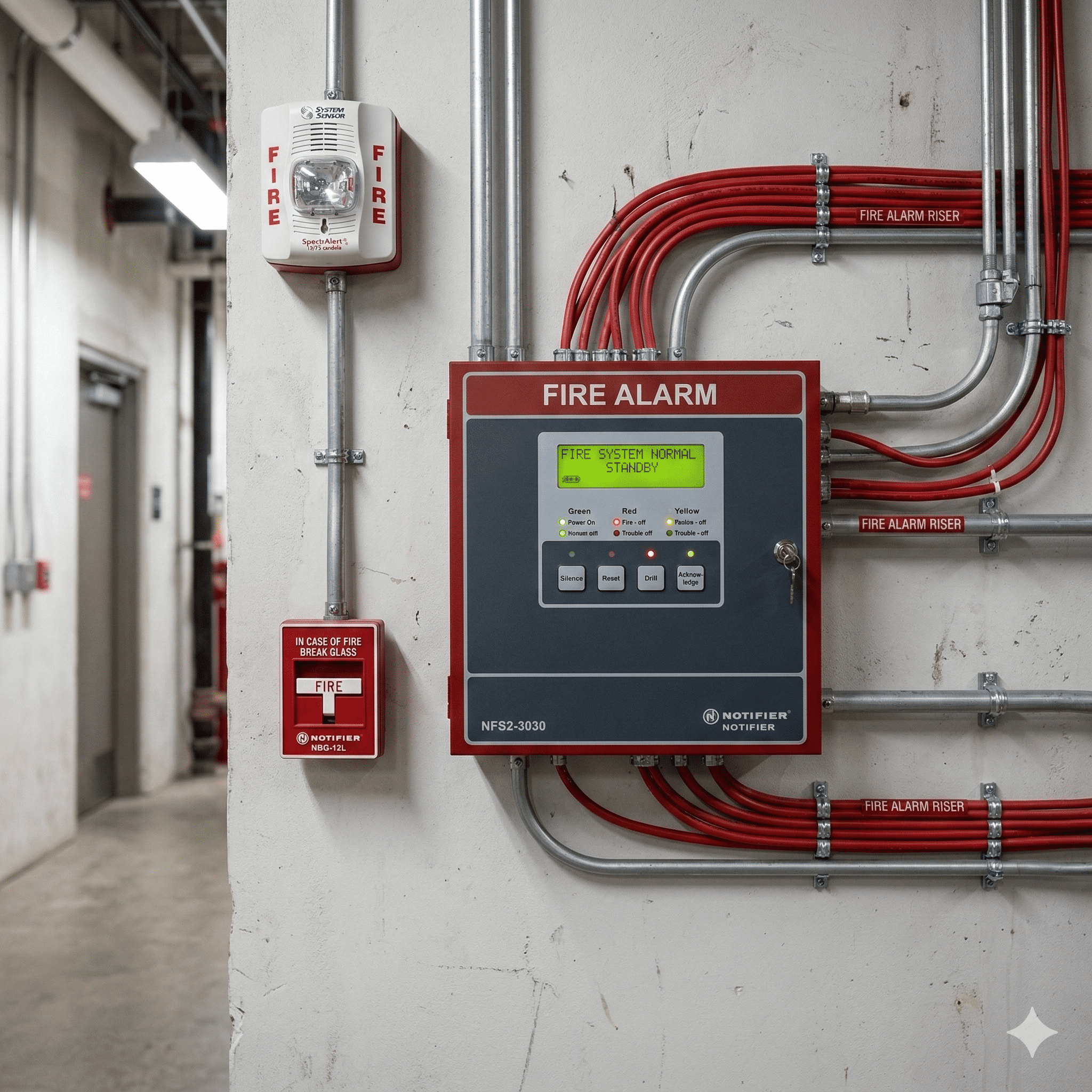
Fire detection and alarm systems are a critical part of effective fire safety training in Ireland. Early detection saves lives. The faster a fire is identified and occupants are alerted, the quicker evacuation procedures can begin. Without a reliable alarm system, even the best emergency plan can fail.
Every organisation delivering structured workplace fire safety training in Ireland must ensure employees understand how fire detection systems operate, what alarm signals mean, and how to respond immediately when activated.
Under Irish health and safety legislation, employers are required to provide adequate warning systems. Oversight and guidance are supported by the Health and Safety Authority (HSA).
Why Fire Detection Systems Are Essential
Fire detection systems are designed to:
-
Detect smoke, heat, or flames at an early stage
-
Alert occupants quickly
-
Trigger evacuation procedures
-
Minimise fire spread and damage
-
Support emergency response
Understanding these systems is a key module in any recognised fire safety course in Ireland, including online fire safety training in Ireland.
Types of Fire Detection Systems
Different workplaces require different detection systems depending on size, layout, and risk level.
1. Smoke Detectors
Smoke detectors identify airborne particles created by combustion. They are commonly installed in offices, corridors, and general work areas.
These are often discussed during fire safety awareness training in Ireland, as they provide early warning before flames are visible.
2. Heat Detectors
Heat detectors activate when a specific temperature is reached or when there is a rapid rise in temperature. They are typically used in kitchens, boiler rooms, and dusty environments where smoke detectors may trigger false alarms.
Heat detection knowledge is reinforced in health and safety fire training in Ireland.
3. Flame Detectors
Flame detectors sense infrared or ultraviolet radiation emitted by flames. These systems are more common in high-risk industrial settings and are covered in advanced fire prevention training in Ireland.
4. Manual Call Points (Break Glass Units)
Manual call points allow individuals to raise the alarm if they discover a fire. Employees must know their locations and how to activate them safely.
Proper instruction in their use is a standard part of fire safety training in Ireland.
Fire Alarm Systems
Fire alarm systems provide audible and sometimes visual alerts when a fire is detected. In some buildings, alarms may also:
-
Automatically notify emergency services
-
Activate emergency lighting
-
Release fire doors
-
Shut down ventilation systems
Understanding the specific alarm tone and evacuation procedures is essential for effective workplace fire safety training in Ireland.
Employee Responsibilities
Employees who complete a recognised fire safety certification in Ireland must:
-
Recognise the fire alarm sound
-
Stop work immediately when the alarm activates
-
Evacuate using the nearest safe exit
-
Avoid assuming an alarm is false
-
Never ignore or silence alarms without authorisation
Regular drills reinforce these responsibilities.
Testing and Maintenance
Fire detection and alarm systems must be regularly inspected and tested to ensure reliability. Employers should:
-
Conduct weekly alarm tests
-
Perform routine maintenance
-
Keep maintenance records
-
Repair faults immediately
These procedures support compliance and are reinforced through fire safety awareness training in Ireland.
Role of Fire Wardens and Marshals
Individuals trained through fire warden training in Ireland or fire marshal training in Ireland often assist with:
-
Monitoring alarm tests
-
Coordinating evacuation once alarms sound
-
Reporting faults in detection systems
-
Supporting emergency services upon arrival
Their role strengthens overall emergency preparedness.
Conclusion
Fire detection and alarm systems are the first line of defence in any emergency. Through structured fire safety training in Ireland, employees learn how these systems function and how to respond quickly and safely when alarms activate.
By integrating proper maintenance, regular testing, and ongoing workplace fire safety training in Ireland, organisations ensure that their detection systems operate effectively when they are needed most — protecting lives, property, and business continuity.