



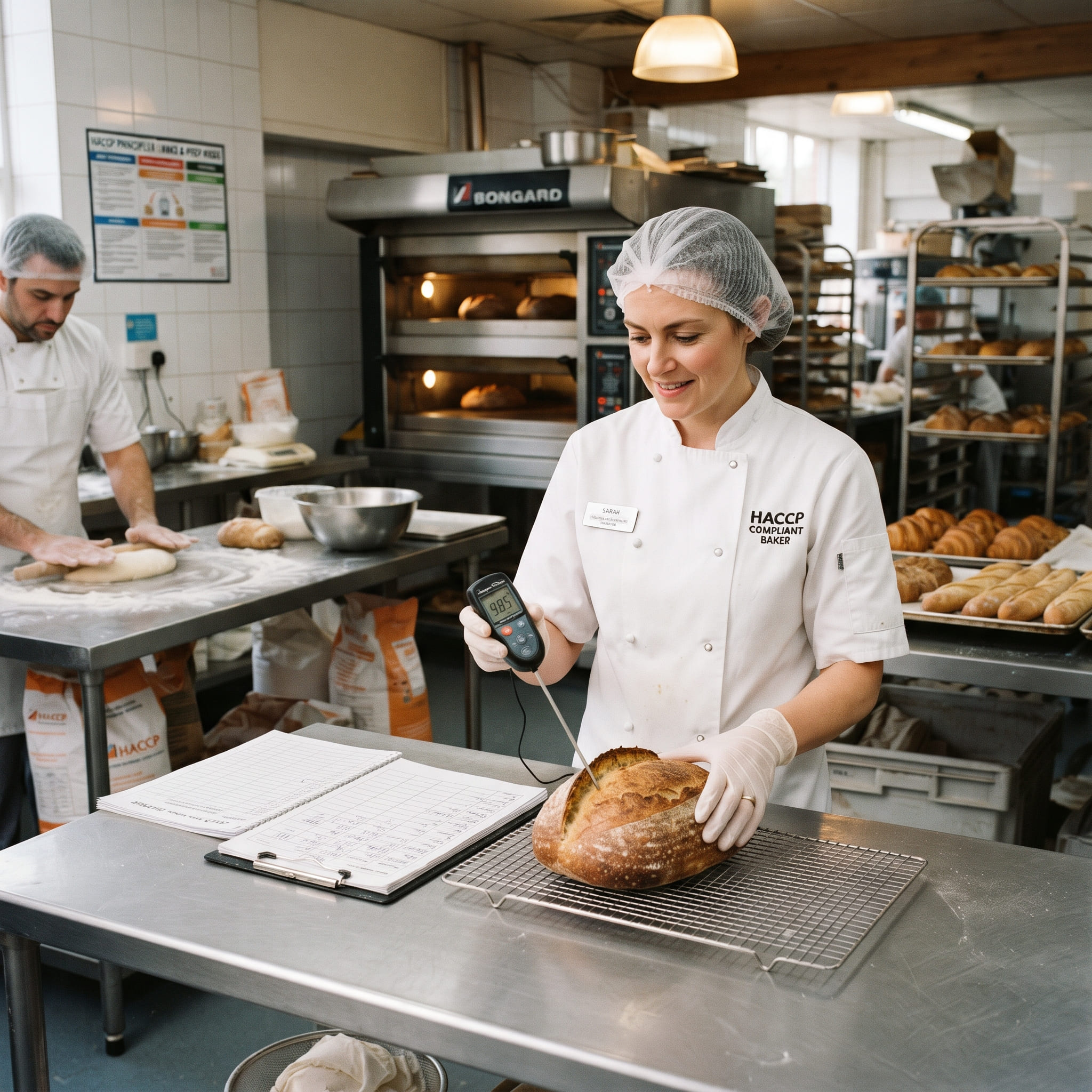
Bakeries produce a variety of foods, including bread, cakes, pastries, biscuits, sandwiches and desserts. Although baking involves high temperatures that can destroy many harmful microorganisms, food safety risks can still arise during ingredient storage, preparation, mixing, handling, cooling, filling and packaging.
Raw ingredients may contain contaminants, while poor personal hygiene, unsuitable storage conditions and inadequate cleaning can introduce hazards into the production environment. Products containing cream, custard, eggs or dairy ingredients may also require careful temperature control, particularly after baking.
A structured Hazard Analysis and Critical Control Point (HACCP) system helps bakery businesses identify potential hazards, assess risks and establish appropriate controls. haccp training can help food handlers understand these responsibilities and apply safe practices consistently throughout daily operations.
Understanding HACCP in a Bakery Environment
HACCP is a systematic approach to identifying, evaluating and controlling food safety hazards. In a bakery, the process begins with understanding how ingredients move through the premises, from delivery and storage to preparation, baking, cooling and sale.
Potential hazards generally fall into three categories:
-
Biological hazards: Harmful bacteria, moulds, viruses and other microorganisms that may contaminate ingredients or finished products.
-
Chemical hazards: Cleaning chemical residues, unsuitable food-contact substances or undeclared allergens.
-
Physical hazards: Foreign objects such as pieces of packaging, damaged equipment components or fragments of glass.
Each bakery should assess the hazards associated with its own products, equipment, processes and working environment. For example, a bakery producing packaged bread may have different food safety priorities from one preparing cream-filled pastries, chilled desserts and ready-to-eat sandwiches.
A suitable haccp food safety course can help food handlers understand basic food safety principles, although the business remains responsible for establishing and maintaining appropriate procedures for its particular activities.
Safe Receiving and Storage of Bakery Ingredients
Food safety starts before ingredients enter the production area. Deliveries should be checked to confirm that products arrive in acceptable condition and have been transported appropriately.
Staff should inspect packaging for damage, contamination, signs of pests and evidence of tampering. Perishable ingredients, including eggs, butter, cream and certain dairy products, should be checked against the supplier's specifications and applicable storage requirements.
Ingredients should be stored according to their characteristics and the manufacturer's instructions. Dry goods such as flour, sugar, baking powder and dried fruit should be kept in clean, dry, well-maintained storage areas. Containers should be sealed appropriately to protect ingredients from moisture, pests and contamination.
Refrigerated ingredients should be maintained at suitable temperatures. Raw ingredients should be separated from ready-to-eat foods to reduce the possibility of cross-contamination.
Bakeries should also use stock rotation procedures, such as first-in, first-out where appropriate, and check use-by dates before ingredients are used. Clear labelling helps staff identify opened products, storage requirements and relevant dates.
Preventing Cross-Contamination During Preparation
Preparation areas can become sources of contamination when staff handle multiple ingredients without adequate separation or cleaning. Flour dust, raw eggs, unwashed produce and contaminated packaging may spread hazards across work surfaces, utensils and equipment.
Bakeries should establish clear procedures for separating raw ingredients from ready-to-eat products. Work surfaces, mixing bowls, utensils and food-contact equipment must be cleaned and sanitised as appropriate between tasks.
Employees should wash their hands thoroughly before handling food, after using the toilet, after touching waste or dirty equipment, and whenever their hands may have become contaminated. Disposable gloves, where used, should not replace proper handwashing and should be changed when contaminated.
Mixers, dough dividers, slicers and other machinery require particular attention because food residues can accumulate in difficult-to-reach areas. Cleaning procedures should identify which equipment needs dismantling, how it must be cleaned and how staff can verify that it is safe to use again.
A practical haccp certification course may cover general food hygiene and hazard awareness, but bakery-specific procedures should also address the equipment, ingredients and products handled on the premises.
Controlling Food Safety Risks During Baking
Baking is an important stage in controlling biological hazards. However, the effectiveness of the baking process depends on the product, recipe, equipment, oven settings, product size and baking conditions.
Bakeries should follow validated recipes and established baking procedures, particularly when producing products containing ingredients that may carry microbiological hazards. Oven temperatures alone do not necessarily demonstrate that every part of a product has received an adequate heat treatment.
Where a baking step is identified as a critical control point in the bakery's HACCP plan, the business should establish suitable critical limits, monitoring procedures and corrective actions. These must be based on the specific product and process rather than on a single temperature assumed to suit every baked item.
Staff should follow documented instructions for oven settings, baking times, batch sizes and any required checks. Equipment should be maintained so that it operates consistently.
If a process falls outside its established limits, staff should follow the relevant corrective-action procedure. Depending on the circumstances, this may involve holding affected products, assessing their safety and deciding whether they can be reprocessed or must be discarded.
Cooling, Filling and Decorating Baked Products
Food safety risks do not end when products leave the oven. During cooling, baked goods may be exposed to contamination from hands, utensils, airborne dust, pests or nearby activities.
Products should cool in designated, clean areas protected from contamination. Cooling arrangements should prevent unnecessary contact with unclean surfaces and avoid overcrowding that could interfere with the intended process.
Special care is needed when handling cream-filled pastries, custard tarts, cheesecakes and other products containing ingredients that require refrigeration. These foods may support microbial growth if held at unsuitable temperatures for too long.
Bakeries should establish appropriate cooling, refrigeration and handling procedures based on the product's characteristics and food safety assessment. Staff should avoid leaving temperature-sensitive fillings at room temperature beyond the limits set by the business's procedures and applicable requirements.
Decorating and filling equipment must be clean before use. Piping bags, nozzles, spatulas and containers should be handled hygienically, and products should be protected during display and transport.
Managing Allergens in Bakery Products
Allergen management is particularly important in bakeries because many common ingredients contain allergens. Wheat and other cereals containing gluten, eggs, milk, peanuts, tree nuts, soya and sesame may be present in bakery products.
Different recipes may share equipment and preparation areas, creating a risk of unintended allergen cross-contact. For example, traces of nut ingredients may remain on a mixer, worktop or utensil if cleaning is inadequate.
Bakeries should maintain accurate ingredient information for every product and review supplier information whenever ingredients or recipes change. Staff should understand which allergens are present in each product and how to prevent unintended transfer between products.
Where possible, allergen-containing ingredients should be stored securely and handled according to established procedures. Cleaning methods should be appropriate for removing relevant allergen residues, and equipment should be checked before being used for another product.
Food information and allergen declarations must comply with applicable legal requirements. Employees should never guess when asked about ingredients or allergen content. If information cannot be confirmed, the customer should be given an accurate explanation rather than an unsupported assurance that a product is allergen-free.
Cleaning, Pest Prevention and Personal Hygiene
Effective cleaning is essential for maintaining a safe bakery environment. Flour, sugar, dough and food residues can accumulate on floors, equipment, storage containers and preparation surfaces. If not managed properly, these residues may attract pests or create conditions that compromise hygiene.
A cleaning schedule should identify the areas and equipment to be cleaned, the frequency of cleaning, the products to be used and the person responsible. Cleaning chemicals must be stored safely and kept away from food and food-contact surfaces. Staff should follow product instructions to prevent chemical contamination.
Pest prevention measures should include suitable waste management, sealed ingredient containers, maintained building structures and routine inspection for signs of pest activity. Any evidence of infestation should be addressed promptly.
Personal hygiene procedures should cover clean work clothing, handwashing, appropriate hair restraints and the reporting of symptoms that may affect food safety. Employees who may be infectious should follow the business's illness-reporting and exclusion procedures in accordance with applicable requirements.
Maintaining HACCP Records and Staff Training
Documentation helps a bakery demonstrate that its food safety procedures are being followed. Records should reflect the actual activities and risks of the business rather than simply being completed as a routine exercise.
Depending on the operation, relevant records may include:
-
Delivery and ingredient checks.
-
Refrigerator and freezer temperature monitoring.
-
Baking or process-control checks where required.
-
Cleaning and sanitation schedules.
-
Allergen information and ingredient specifications.
-
Equipment maintenance records.
-
Pest-control inspections.
-
Corrective actions and staff training.
Records should be accurate, understandable and available to the appropriate personnel. When a check identifies a problem, the business should document what happened, which products were affected and what action was taken.
Staff training is equally important. Employees need to understand the procedures relevant to their responsibilities, including safe ingredient handling, cross-contamination prevention, allergen control and reporting food safety concerns.
An online haccp course online may offer a convenient way for staff to learn food safety fundamentals. Businesses should ensure that training is suitable for the employees' duties and supplemented with practical instruction and workplace-specific procedures where necessary. Before choosing a haccp certification programme, employers should check what the course covers, what evidence of completion it provides and whether it meets their actual training needs.
Reviewing and Improving Bakery Food Safety Procedures
Food safety procedures should be reviewed whenever important changes occur. Introducing a new product, changing a recipe, purchasing new machinery, modifying a production area or changing suppliers may create hazards that were not previously considered.
Regular internal checks can help identify problems before they affect customers. Managers should review monitoring records, investigate repeated deviations and confirm that corrective actions have been effective.
Employees should also be encouraged to report damaged equipment, refrigeration problems, incorrect labels, pest activity and any uncertainty about safe food handling. Clear communication helps the business respond quickly and reduces the risk of unsafe products reaching customers.
A bakery's HACCP system should remain practical and proportionate to its operations. Controls need to be understood by staff and applied consistently during busy production periods, not just documented for inspection.
Conclusion
Managing food safety in a bakery requires attention at every stage, from receiving and storing ingredients to mixing, baking, cooling, filling, decorating and selling finished products. Cross-contamination, allergens, unsuitable temperatures, poor cleaning and inadequate staff practices can all create risks if they are not properly controlled.
A well-maintained HACCP system helps bakery businesses identify relevant hazards, establish suitable controls, keep accurate records and respond when problems arise. Combined with appropriate staff training, good personal hygiene and regular reviews, these measures support safer products and more consistent working practices.
By making food safety part of everyday bakery operations, businesses can protect customers, improve staff awareness and build confidence in the quality and handling of their products.