



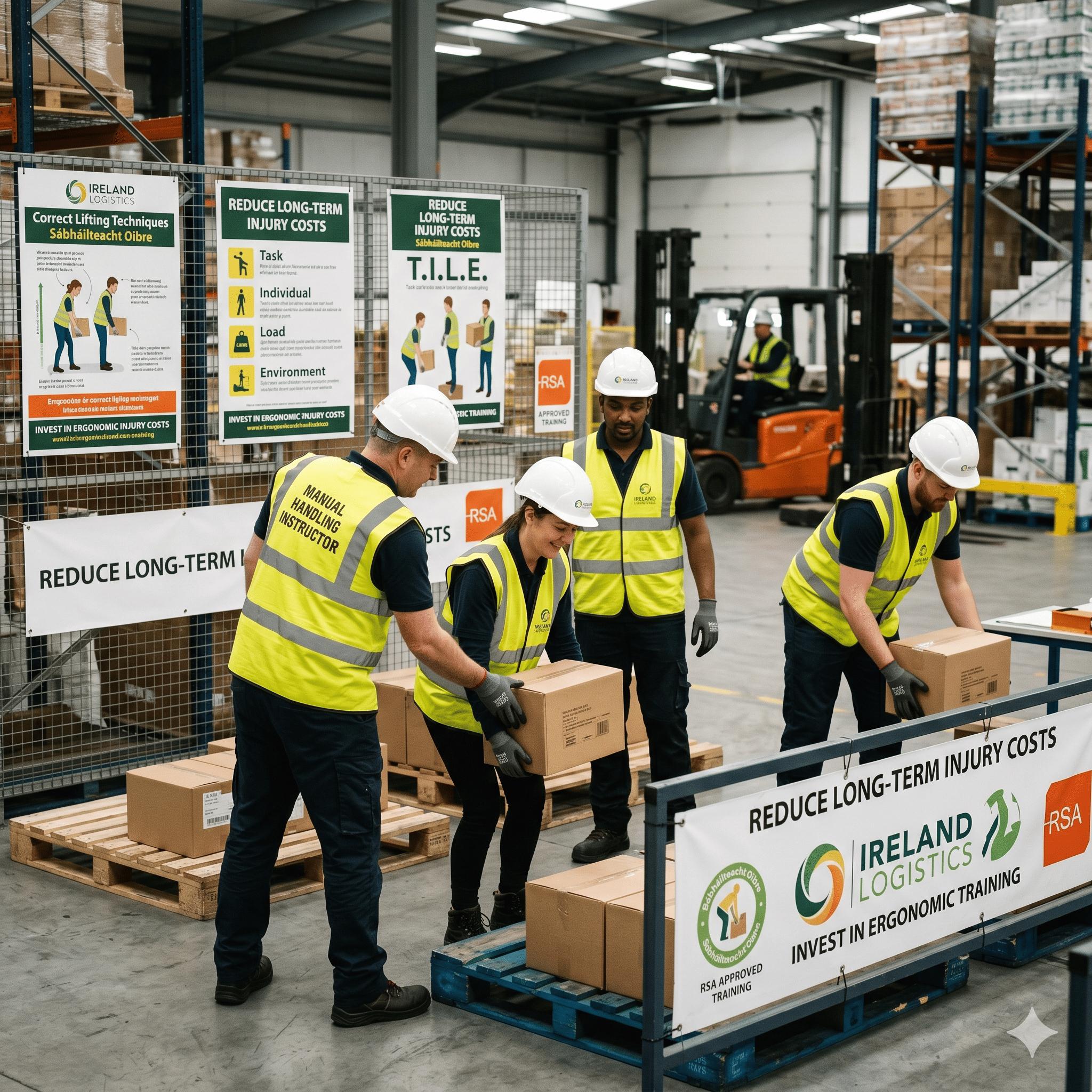
Workplace injuries can have serious long-term consequences for both employees and businesses. Across Ireland, many industries rely on physical work that involves lifting, carrying, pushing, pulling, or moving materials every day. While these tasks may seem routine, poor manual handling practices are one of the leading causes of workplace injuries and ongoing financial costs.
Back strain, repetitive stress injuries, muscle fatigue, and joint problems often develop gradually because of unsafe lifting techniques or poorly organized work environments. These injuries not only affect employee well-being but also create operational challenges such as absenteeism, reduced productivity, staff turnover, and increased business expenses.
This is why effective manual handling Ireland practices are essential for businesses that want to reduce long-term injury costs. A professional manual handling course Ireland helps employees develop safer habits and improve workplace awareness. A valid manual handling certificate Ireland demonstrates that workers understand proper handling techniques and safety procedures.
However, reducing injury costs requires more than certification alone. Businesses must create safer systems, encourage better workplace habits, and support employee well-being consistently. This article explores how effective manual handling training Ireland helps businesses reduce long-term injury-related expenses while improving overall workplace performance.
Understanding the Real Cost of Workplace Injuries
Many employers focus only on the immediate impact of workplace injuries, but long-term costs are often much higher.
Injury-related costs may include:
- Employee absenteeism
- Reduced productivity
- Recruitment and training for replacement staff
- Increased workload for other employees
- Lower workplace morale
- Operational delays
In serious cases, long-term injuries can affect business reputation and overall workplace stability.
Strong manual handling Ireland strategies help businesses reduce these risks before injuries occur.
Why Prevention Is More Cost-Effective Than Recovery
Recovering from workplace injuries often requires significant time and resources.
Employees dealing with strain injuries may need:
- Medical treatment
- Extended recovery periods
- Reduced workloads
- Time away from work
Preventing injuries through effective manual handling training Ireland is far more efficient and affordable than managing the long-term consequences of unsafe workplace habits.
Businesses that prioritize prevention usually experience more stable operations and healthier teams.
Teaching Proper Lifting Techniques
One of the most effective ways to reduce injury costs is teaching employees how to lift correctly.
A professional manual handling course Ireland teaches workers to:
- Bend the knees while lifting
- Keep the back straight
- Hold loads close to the body
- Avoid twisting movements
These techniques reduce pressure on muscles and joints while lowering the likelihood of back injuries and strain-related problems.
Consistent use of proper lifting posture helps protect employees over the long term.
Reducing Repetitive Strain Injuries
Many workplace injuries develop slowly because employees repeat the same physical movements every day.
Examples include:
- Frequent lifting
- Carrying awkward loads
- Repetitive pushing or pulling
- Poor posture during routine tasks
Over time, these movements can lead to chronic pain and reduced physical performance.
Strong manual handling Ireland practices help employees work more efficiently while reducing unnecessary physical strain.
Encouraging Employees to Assess Risks
Safe manual handling starts before lifting begins.
Employees should learn to assess:
- The size and weight of loads
- Environmental hazards
- Whether equipment or assistance is needed
- The safest route for movement
Risk assessment helps employees avoid unsafe decisions that may lead to costly injuries.
A quality manual handling course Ireland teaches workers how to approach physical tasks with greater awareness and planning.
Improving Workplace Organization
Poorly organized workspaces increase the likelihood of injuries and accidents.
Businesses should maintain:
- Clear walkways
- Organized storage systems
- Safe lifting zones
- Proper lighting
Employees can move more safely and efficiently when workplaces are structured properly.
Good organization reduces both injury risk and operational disruption.
Using Equipment to Reduce Physical Strain
Modern workplaces should provide equipment that helps reduce unnecessary manual effort.
Examples include:
- Trolleys
- Hoists
- Pallet trucks
- Adjustable lifting aids
Employees should be encouraged to use these tools whenever appropriate instead of relying solely on physical strength.
A professional manual handling course Ireland teaches workers how and when to use equipment correctly.
Using mechanical aids consistently helps reduce long-term injury costs significantly.
Reducing Employee Fatigue
Fatigue increases the likelihood of workplace injuries.
Tired employees are more likely to:
- Use poor lifting posture
- Lose concentration
- Rush tasks carelessly
- Ignore safe handling procedures
Effective manual handling training Ireland teaches employees how to work more efficiently and reduce unnecessary physical stress during daily tasks.
Businesses that support employee well-being often experience better long-term productivity and lower injury rates.
Encouraging Open Communication
Employees often notice workplace risks before management does.
Businesses should encourage workers to report:
- Unsafe lifting tasks
- Physical discomfort
- Damaged equipment
- Workplace hazards
Open communication helps businesses identify and resolve problems before injuries occur.
Strong communication is a key part of successful manual handling Ireland safety culture.
Preventing Unsafe Shortcuts
Busy workplaces sometimes encourage employees to prioritize speed over safety.
Unsafe shortcuts may include:
- Carrying excessive weight
- Ignoring lifting equipment
- Rushing movements
- Using poor posture
These habits often lead to injuries that create long-term costs for businesses.
A strong manual handling course Ireland reinforces the importance of controlled movement and safe decision-making.
Building Safer Workplace Habits
Long-term injury prevention depends on daily behavior.
Employees should develop habits such as:
- Assessing loads before lifting
- Asking for assistance when needed
- Using proper posture consistently
- Moving carefully during repetitive tasks
When safe behavior becomes routine, injury risks decrease significantly.
A valid manual handling certificate Ireland confirms that employees understand these important principles.
Supporting Better Teamwork
Some manual handling tasks are safer when completed with assistance.
Training helps employees understand:
- Team lifting techniques
- Clear communication during movement tasks
- Shared responsibility for workplace safety
Good teamwork reduces physical strain while improving workplace efficiency.
Why Refresher Training Matters
Even experienced employees can gradually return to unsafe habits over time.
Regular refresher manual handling training Ireland helps employees:
- Revisit proper lifting techniques
- Correct unsafe routines
- Stay aware of workplace hazards
Maintaining a current manual handling certificate Ireland supports ongoing accountability and stronger workplace standards.
Online refresher courses are increasingly popular because they offer flexibility while reinforcing safety consistently.
Leadership’s Role in Injury Prevention
Managers and supervisors strongly influence workplace behavior.
Employees are more likely to follow safe manual handling Ireland practices when leadership:
- Demonstrates proper handling techniques
- Reinforces safety expectations daily
- Supports organized workflows
- Addresses unsafe behavior quickly
Leadership involvement helps maintain a strong culture of injury prevention throughout the workplace.
Long-Term Financial Benefits for Businesses
Businesses that invest in effective manual handling training Ireland often experience significant financial benefits over time.
These benefits include:
- Reduced injury-related costs
- Lower absenteeism
- Improved productivity
- Better employee retention
- Fewer operational disruptions
Employees also benefit from healthier working conditions and greater confidence during physical tasks.
Creating a Sustainable Workplace Safety Strategy
Reducing injury costs requires ongoing commitment rather than one-time action.
Successful businesses continuously:
- Reinforce safety training
- Review workplace risks
- Improve workplace organization
- Encourage employee involvement
A professional manual handling course Ireland provides the foundation, but consistent daily application creates long-term results.
Conclusion
Long-term workplace injuries can create serious financial and operational challenges for businesses across Ireland. However, many of these problems are preventable through strong manual handling Ireland practices and consistent employee education.
A professional manual handling course Ireland teaches employees how to lift, carry, and move safely while reducing unnecessary physical strain. A valid manual handling certificate Ireland demonstrates understanding of workplace safety principles and supports stronger professional standards.
By investing in effective manual handling training Ireland, businesses can reduce injury-related costs, improve employee well-being, and create safer, more productive workplaces that support long-term success.