



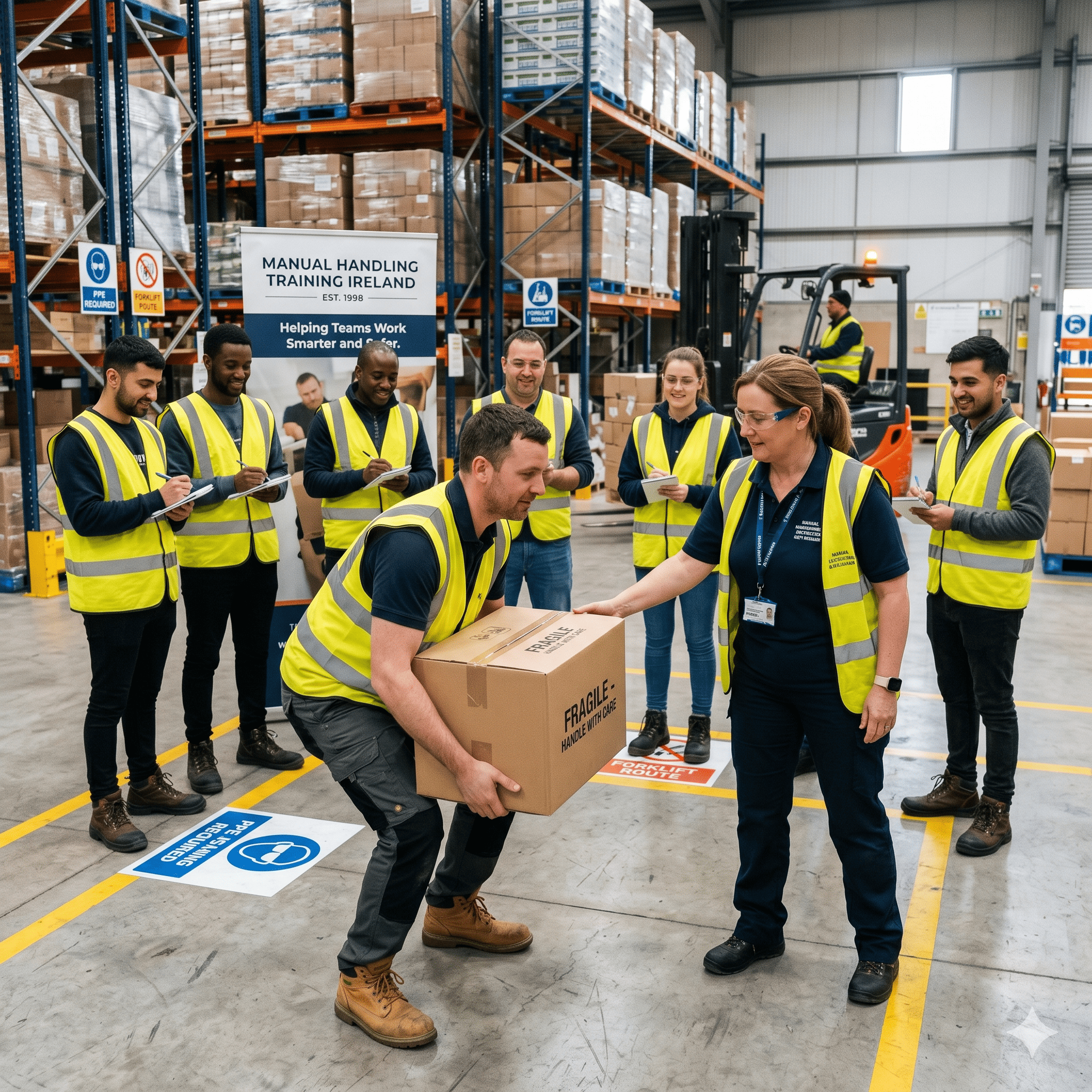
Modern workplaces are constantly balancing two important goals: maintaining high levels of productivity and ensuring employee safety. Whether in warehouses, hospitals, retail stores, manufacturing facilities, construction sites, or logistics centers, businesses depend on employees working efficiently while minimizing risks. Achieving both objectives requires more than experience and hard work—it requires proper training.
Manual handling is one of the most common workplace activities across Ireland. Every day, employees lift, carry, push, pull, and move loads as part of their regular duties. While these tasks may seem straightforward, they can become a major source of workplace injuries when performed incorrectly. At the same time, poor handling techniques can slow down operations, create inefficiencies, and increase physical strain on workers.
This is where professional manual handling training Ireland plays a vital role. Effective training teaches employees how to perform physical tasks safely while also helping them work more efficiently. A comprehensive manual handling course Ireland provides practical knowledge that supports smarter decision-making, safer working practices, and improved teamwork. Earning a manual handling certificate Ireland demonstrates an employee’s understanding of these essential workplace skills.
This article explores how manual handling Ireland training helps teams work smarter and safer while contributing to long-term business success.
The Connection Between Safety and Productivity
Some people mistakenly view workplace safety and productivity as competing priorities. In reality, they are closely connected.
When employees work safely, they are more likely to:
- Avoid injuries
- Maintain consistent performance
- Stay focused on tasks
- Reduce disruptions
- Support efficient workflows
Unsafe practices often lead to accidents, delays, and lost productivity.
Professional manual handling training Ireland helps organizations achieve both safety and efficiency by teaching employees practical methods for completing tasks effectively.
Understanding Manual Handling
Manual handling involves any activity that requires physical effort to move or support a load.
Examples include:
- Lifting boxes
- Carrying materials
- Moving stock
- Pushing carts
- Pulling trolleys
- Repositioning equipment
These activities occur across almost every industry and often form a significant part of daily operations.
A professional manual handling course Ireland teaches employees how to perform these tasks with greater safety and efficiency.
Working Smarter Starts with Planning
One of the key lessons taught during manual handling training is the importance of planning.
Before lifting or moving an item, employees should consider:
- The weight of the load
- The distance to be traveled
- Potential obstacles
- Whether assistance is required
- Available equipment
Taking a few moments to assess a task can prevent injuries and improve efficiency.
Professional manual handling Ireland training encourages employees to think ahead rather than relying solely on physical effort.
Reducing Unnecessary Physical Strain
Working smarter often means reducing physical effort wherever possible.
Employees who receive proper training learn how to:
- Use body mechanics effectively
- Maintain good posture
- Position themselves correctly
- Minimize unnecessary movements
These techniques reduce strain on muscles and joints while making tasks easier to complete.
A quality manual handling course Ireland emphasizes efficiency through proper technique rather than strength alone.
Improving Hazard Awareness
Safer teams are often more productive because they encounter fewer disruptions caused by accidents and near misses.
Training helps employees recognize hazards such as:
- Slippery surfaces
- Cluttered work areas
- Poor storage arrangements
- Obstructed pathways
By identifying risks early, workers can avoid situations that might slow operations or cause injuries.
Professional manual handling training Ireland strengthens awareness and promotes proactive problem-solving.
Encouraging Better Decision-Making
Employees face countless decisions throughout the working day.
For example:
- Should a load be lifted manually or moved with equipment?
- Is assistance needed?
- Is the route clear?
- Does the task present unnecessary risks?
Training helps workers make informed decisions based on safety and practicality.
These better decisions contribute to smoother operations and safer outcomes.
Teaching Proper Lifting Techniques
Correct lifting techniques are fundamental to both safety and efficiency.
Employees learn how to:
- Position their feet properly
- Bend their knees
- Keep their backs aligned
- Lift smoothly
- Maintain control of loads
These methods help workers move materials more effectively while reducing the risk of injury.
Professional manual handling Ireland training reinforces these techniques through practical application.
Reducing Workplace Injuries
One of the most direct benefits of manual handling training is injury prevention.
Common manual handling injuries include:
- Back strains
- Shoulder injuries
- Neck pain
- Muscle sprains
- Joint problems
These injuries can lead to absenteeism, reduced productivity, and operational disruptions.
A professional manual handling certificate Ireland demonstrates that employees have received training designed to reduce these risks.
Supporting Teamwork
Many manual handling tasks require cooperation between colleagues.
Training helps employees develop skills such as:
- Communication
- Coordination
- Shared responsibility
- Team lifting techniques
When teams work together effectively, tasks are completed more safely and efficiently.
Strong teamwork also helps create a more positive workplace environment.
Promoting the Use of Mechanical Aids
Smart working often involves using the right tools for the job.
Many workplaces provide equipment such as:
- Hoists
- Trolleys
- Pallet trucks
- Lift-assist devices
Employees who understand the benefits of these tools are more likely to use them appropriately.
Professional manual handling training Ireland encourages workers to combine safe techniques with available equipment to reduce physical effort.
Creating Consistent Work Practices
Consistency is important for both safety and productivity.
When employees follow the same proven procedures:
- Errors decrease
- Risks are reduced
- Workflows improve
A professional manual handling course Ireland helps establish consistent handling methods across teams and departments.
This consistency creates a more predictable and efficient workplace.
Building Employee Confidence
Confidence plays a major role in workplace performance.
Employees who understand manual handling principles often feel more comfortable:
- Performing physical tasks
- Assessing risks
- Using equipment
- Supporting colleagues
Confident employees are more likely to work efficiently while maintaining safe practices.
A manual handling certificate Ireland reflects the knowledge that helps build this confidence.
Reducing Fatigue
Fatigue can reduce both productivity and safety.
Poor handling techniques often require more energy than necessary.
By learning safer methods, employees can:
- Conserve energy
- Reduce strain
- Maintain focus longer
- Improve endurance
Professional manual handling Ireland training helps workers perform tasks more efficiently without unnecessary physical effort.
Supporting Long-Term Employee Health
Smarter working is not only about today's tasks—it is also about protecting future health.
Unsafe manual handling can contribute to:
- Chronic back pain
- Repetitive strain injuries
- Joint problems
- Reduced mobility
Training helps employees develop habits that support long-term well-being.
Healthy employees are more likely to remain productive and engaged throughout their careers.
Strengthening Workplace Safety Culture
When teams receive consistent manual handling training, safety becomes part of everyday workplace culture.
Employees are more likely to:
- Report hazards
- Follow procedures
- Encourage safe behavior
- Take responsibility for workplace safety
This culture supports both operational success and employee protection.
Benefits for Employees
Employees who complete manual handling training Ireland often experience:
- Improved confidence
- Greater safety awareness
- Reduced injury risks
- Better teamwork skills
- Enhanced job satisfaction
These benefits support both personal development and workplace performance.
Benefits for Employers
Organizations that invest in manual handling Ireland training frequently benefit from:
- Lower accident rates
- Reduced absenteeism
- Improved productivity
- Better employee morale
- Stronger operational efficiency
Training helps businesses achieve safer and more sustainable growth.
The Importance of Ongoing Training
Workplace environments continue to evolve.
New equipment, changing procedures, and different workloads require employees to keep their skills current.
Regular refresher training helps workers:
- Reinforce safe habits
- Update their knowledge
- Maintain awareness
- Adapt to workplace changes
Maintaining a current manual handling certificate Ireland supports continuous improvement and ongoing workplace safety.
Conclusion
Helping teams work smarter and safer is one of the most valuable outcomes of professional manual handling education. Employees who understand how to assess risks, use proper techniques, communicate effectively, and utilize available equipment can perform their duties more efficiently while reducing the likelihood of injury.
A comprehensive manual handling course Ireland provides workers with practical skills that improve both productivity and safety. Through effective manual handling training Ireland, teams develop stronger habits, better decision-making abilities, and greater confidence in their daily responsibilities. A manual handling certificate Ireland demonstrates this knowledge and supports a workplace culture focused on continuous improvement.
By investing in high-quality manual handling Ireland training, businesses can protect their employees, strengthen operational performance, and create workplaces where safety and productivity work hand in hand.