



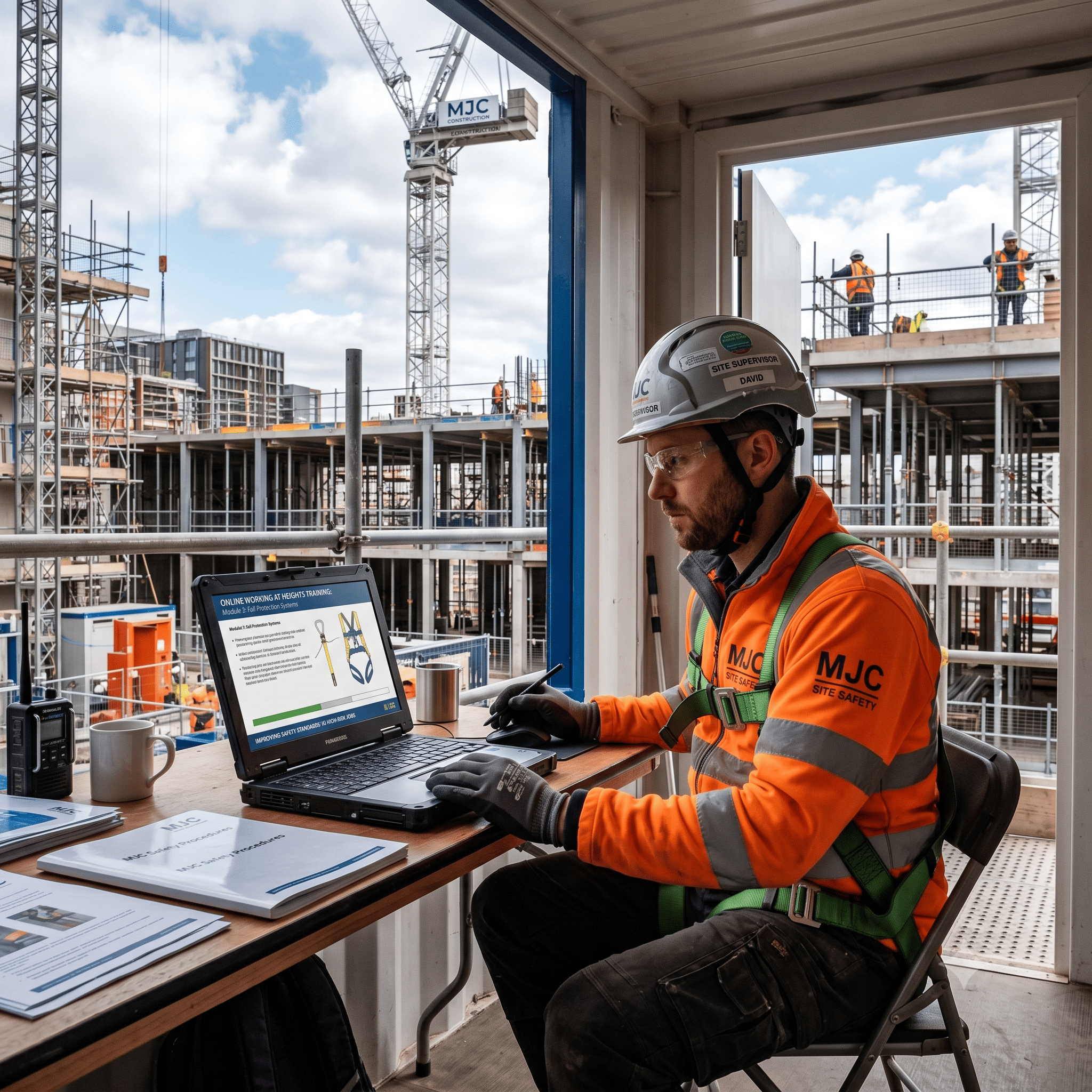
Online safety education has become an essential part of modern workplace training, particularly in industries where employees perform tasks above ground level. Online Working at Heights Training gives workers the knowledge and confidence to carry out these tasks safely while helping employers meet their legal responsibilities. As workplaces continue to evolve and businesses look for more flexible learning solutions, online training has emerged as an effective way to improve safety standards without disrupting daily operations.
Across Ireland, industries such as construction, warehousing, telecommunications, maintenance, and facilities management rely heavily on employees who regularly work at height. Since falls remain one of the leading causes of workplace injuries and fatalities, investing in proper training is critical. Through accessible digital learning, workers can develop the skills necessary to identify hazards, use equipment correctly, and follow safe working procedures.
This article explains how Online Working at Heights Training improves safety standards in high-risk jobs and why it has become an important part of workplace compliance and employee development.
Understanding Working at Height
Working at height refers to any activity where a person could fall from one level to another and suffer injury. Many people assume this only applies to workers on tall buildings, but it includes a wide variety of tasks.
Examples include:
- Working on ladders
- Using scaffolding
- Roof maintenance and repairs
- Operating mobile elevated work platforms (MEWPs)
- Working on mezzanine floors
- Accessing elevated storage areas
- Performing building maintenance
Even a fall from a relatively low height can cause serious injuries. This is why working at heights training in Ireland is considered essential in many industries.
Why Falls Continue to Be a Major Workplace Hazard
Falls can occur for numerous reasons, including:
- Poor planning before work begins
- Incorrect use of ladders
- Slippery surfaces
- Unstable platforms
- Lack of protective equipment
- Poor weather conditions
- Inadequate supervision
Many workplace incidents happen because workers underestimate the risks involved. Proper training teaches employees to recognise these dangers before an accident occurs.
The Importance of Online Working at Heights Training
Traditional classroom training remains valuable, but online learning has become increasingly popular due to its flexibility and accessibility.
Working at heights online training in Ireland provides workers with a convenient way to complete mandatory safety education without interrupting their schedules.
Online training helps by:
- Providing consistent safety information
- Offering flexible learning options
- Allowing workers to learn at their own pace
- Reducing training-related expenses
- Improving access to safety education
This modern approach helps businesses build a stronger safety culture while maintaining productivity.
Benefits of Online Working at Heights Training
Flexible Learning Schedules
One of the biggest advantages of online training is flexibility.
Workers can:
- Learn during convenient hours
- Pause and resume lessons
- Study from any location
- Balance training with work responsibilities
This flexibility is especially beneficial in industries that operate on shift schedules.
Cost-Effective Training Solution
Online training reduces expenses associated with traditional classroom learning.
Employers save money on:
- Travel costs
- Venue hire
- Accommodation expenses
- Employee downtime
This makes health and safety courses online in Ireland a practical solution for businesses of all sizes.
Accessible Anywhere
Workers can complete training using:
- Computers
- Tablets
- Smartphones
This accessibility is particularly useful for remote teams or workers who travel between job sites.
Faster Certification
Many online providers allow workers to complete the course and receive a working at heights certificate online shortly after passing an assessment.
This enables employees to become certified quickly and return to work with minimal disruption.
High-Risk Industries That Benefit from Training
Several sectors in Ireland rely heavily on working at height.
Construction
Construction workers regularly perform tasks involving:
- Scaffolding
- Roof structures
- Elevated platforms
- Temporary access systems
Training significantly reduces the risk of falls on construction sites.
Warehousing and Logistics
Warehouse staff often use:
- Mezzanine floors
- Access ladders
- Elevated storage systems
Proper training ensures these areas can be used safely.
Roofing
Roofers face daily exposure to fall hazards.
Training teaches them how to:
- Assess roof stability
- Use fall protection systems
- Work safely in changing weather conditions
Telecommunications
Telecommunications engineers may work on:
- Towers
- Rooftops
- Elevated equipment systems
Safety awareness is essential in these environments.
Facilities Management
Maintenance workers often carry out tasks such as:
- Lighting repairs
- Ceiling maintenance
- Building inspections
Training helps them perform these jobs safely.
What Is Covered in Online Working at Heights Training?
A comprehensive health and safety course in Ireland includes several important topics.
Hazard Identification
Workers learn to recognise dangers such as:
- Unprotected edges
- Fragile surfaces
- Slippery conditions
- Falling objects
- Weather-related hazards
Identifying hazards early can prevent accidents.
Risk Assessment Procedures
Before beginning work, employees are taught how to:
- Assess site conditions
- Identify potential hazards
- Evaluate risks
- Implement control measures
Risk assessment is one of the most effective ways to reduce accidents.
Ladder Safety Training
Ladders are among the most common tools used at height and one of the most common sources of injuries.
Training covers:
- Proper ladder setup
- Equipment inspection
- Safe climbing techniques
- Maintaining three points of contact
- Avoiding overreaching
These practices greatly improve worker safety.
Scaffolding and Platform Safety
Workers learn how to:
- Access scaffolding safely
- Check structural stability
- Use guardrails correctly
- Identify unsafe conditions
Proper knowledge helps prevent serious incidents.
Personal Protective Equipment (PPE)
Workers are trained in the correct use of:
- Safety harnesses
- Lanyards
- Anchor points
- Fall arrest systems
- Safety helmets
- Protective footwear
Proper PPE usage provides an extra layer of protection.
Emergency Procedures
Workers must know how to respond if an incident occurs.
Training covers:
- Rescue procedures
- Emergency communication
- Incident reporting
- Evacuation planning
Quick action can minimise the severity of accidents.
Legal Requirements in Ireland
Employers have legal obligations under Irish legislation.
Safety, Health and Welfare at Work Act 2005
This legislation requires employers to:
- Protect employee health and safety
- Provide adequate training
- Ensure workers are competent
- Maintain safe systems of work
General Application Regulations
These regulations require employers to:
- Avoid working at height where possible
- Carry out risk assessments
- Use suitable equipment
- Provide proper supervision
Online training helps employers demonstrate compliance with these requirements.
How Online Training Improves Safety Standards
Online learning contributes to safer workplaces in several ways.
Creates Consistency
Every worker receives the same high-quality information and procedures.
Encourages Continuous Learning
Workers can revisit training materials whenever necessary.
Improves Record Keeping
Digital certificates and training records are easy to store and access.
Increases Participation
Flexible schedules encourage more workers to complete training.
Supports Refresher Training
Employees can update their knowledge regularly.
Common Mistakes Training Helps Prevent
Online training addresses many common workplace errors, including:
- Failing to inspect equipment
- Ignoring weather conditions
- Using damaged ladders
- Incorrect harness fitting
- Rushing tasks
- Skipping risk assessments
Awareness of these mistakes helps workers avoid dangerous situations.
Choosing the Right Training Provider
When selecting health and safety courses online in Ireland, employers should consider:
- Accreditation and recognition
- Compliance with Irish regulations
- Quality of course content
- Employer acceptance
- Customer support
A reputable provider ensures workers receive accurate and practical safety education.
Benefits for Employers
Investing in working at heights online training in Ireland offers several long-term advantages.
Fewer Workplace Accidents
Trained workers are less likely to make dangerous mistakes.
Improved Productivity
Workers perform tasks more efficiently when they understand safe procedures.
Reduced Costs
Fewer accidents mean lower insurance claims and less downtime.
Better Legal Protection
Training records demonstrate compliance during inspections.
Stronger Workplace Culture
Employees become more aware of their responsibilities and prioritise safety.
Final Thoughts
Online Working at Heights Training is transforming workplace safety across Ireland by making essential education more accessible, flexible, and effective. Workers gain the knowledge needed to recognise hazards, use equipment correctly, and follow safe systems of work, while employers benefit from improved compliance and reduced workplace incidents.
High-risk industries will always require careful planning and proper safety procedures. However, with the right training, many accidents can be prevented before they occur.
By investing in working at heights online training in Ireland, organisations can create safer environments, protect their workforce, and build a culture where safety is embedded into everyday operations.
Ultimately, improving safety standards is not just about meeting legal obligations—it is about ensuring every worker returns home safely at the end of the day.