



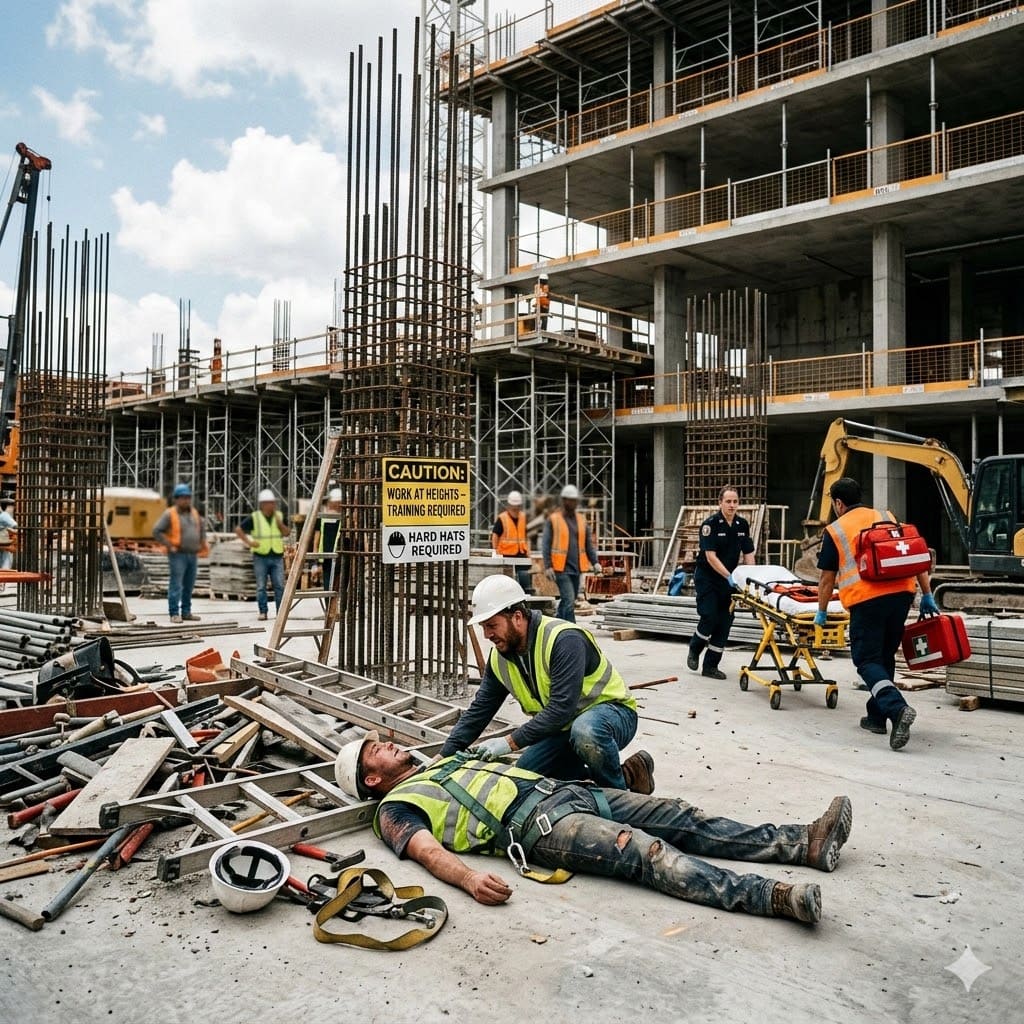
Workplace safety is more than just a regulatory requirement—it’s a critical component of protecting employees, preventing accidents, and maintaining productivity. Among the most hazardous tasks in many industries is working at heights, which can lead to severe injuries or fatalities if proper precautions are not taken.
In Ireland, the consequences of neglecting safety regulations are substantial, both financially and in human terms. This article explores why working at heights training matters, the importance of obtaining a working at heights certificate, and how health and safety courses online and working at heights online training are changing the game for Irish workers.
The Risks of Working at Heights
“Working at heights” refers to any task performed above ground level where a fall could result in injury. Common scenarios include:
-
Construction scaffolding
-
Roof maintenance
-
Window cleaning on multi-story buildings
-
Elevated platform operation
-
Maintenance of tall machinery
Falls are one of the leading causes of workplace injuries and fatalities in Ireland. According to the Health and Safety Authority (HSA), even a fall from a relatively low height can result in serious injuries, including fractures, spinal damage, or head trauma.
Ignoring safety procedures and skipping proper working at heights training puts both employees and employers at risk.
Financial Costs of Neglecting Safety
The cost of workplace accidents is not limited to medical expenses. Ignoring health and safety measures, including working at heights training, can result in:
1. Medical and Compensation Costs
Injuries from falls can lead to expensive hospital treatments, long-term rehabilitation, and compensation claims, which can be a significant financial burden for businesses.
2. Increased Insurance Premiums
Companies with poor safety records may face higher insurance premiums due to increased risk exposure.
3. Lost Productivity
When an employee is injured, it can disrupt workflow, delay projects, and require temporary replacements or overtime for other staff.
4. Legal Penalties
Failing to provide adequate training can result in legal consequences under Irish health and safety laws, including fines and potential prosecution.
5. Reputational Damage
Companies with poor safety records may struggle to attract skilled employees or retain clients, impacting long-term business growth.
Investing in working at heights training and health and safety courses online mitigates these risks by ensuring employees are competent, confident, and compliant with regulations.
Why Working at Heights Training Matters
Working at heights training is designed to equip employees with the knowledge and skills to safely perform tasks above ground level. Key components include:
-
Risk assessment and hazard identification
-
Correct use of personal protective equipment (PPE)
-
Safe operation of ladders, scaffolds, and elevated platforms
-
Emergency response procedures
Completing this training earns workers a working at heights certificate, which serves as proof of competency and compliance.
By emphasizing prevention and proper technique, training significantly reduces the likelihood of accidents, protecting both human life and business resources.
Benefits of Working at Heights Online Training
Irish workers now have access to working at heights online training, which offers several advantages:
1. Flexibility
Complete modules at your own pace without leaving the workplace or home.
2. Accessibility
Workers across Ireland, including remote areas, can participate in high-quality training programs.
3. Cost-Effectiveness
Online training eliminates travel and venue costs, making it a more affordable option for businesses and employees.
4. Immediate Certification
Many programs issue a digital working at heights certificate upon completion, ready to share with employers.
5. Comprehensive Learning
Interactive modules, quizzes, and video demonstrations enhance understanding and retention of critical safety procedures.
Online training can be combined with practical assessments to ensure real-world competency, providing a complete safety education experience.
Legal Implications in Ireland
Under the Safety, Health, and Welfare at Work Regulations, employers must ensure workers performing tasks at height are trained and competent. Ignoring this responsibility can lead to:
-
Investigations and enforcement by the HSA
-
Fines or prosecution for non-compliance
-
Civil liability in the event of an accident
Holding a working at heights certificate demonstrates that employees are trained to meet legal standards and that employers are fulfilling their duty of care.
Human Costs of Neglecting Safety
The financial impact of ignoring health and safety is significant, but the human costs are even more severe. Falls from height can cause:
-
Permanent disability
-
Chronic pain and reduced quality of life
-
Emotional trauma for the employee, family, and colleagues
-
Loss of life in severe cases
By investing in working at heights training and health and safety courses online, businesses prioritize the well-being of employees, fostering a culture of safety and trust.
Common Challenges and How Online Training Solves Them
Challenge 1: Scheduling Conflicts
Traditional in-person courses can be difficult to schedule around work commitments.
Solution: Online training allows employees to learn at their own pace, minimizing disruption to work.
Challenge 2: Geographic Barriers
Workers in rural or remote areas may struggle to attend classroom sessions.
Solution: Working at heights online training is accessible from anywhere with an internet connection.
Challenge 3: Cost Constraints
In-person courses can be expensive due to venue, instructor, and travel costs.
Solution: Online courses reduce overhead and provide cost-effective access to essential training.
Tips for Maximizing the Value of Training
To ensure that working at heights training is effective and that your working at heights certificate is meaningful, consider the following:
-
Choose an accredited provider recognized in Ireland
-
Complete all theoretical modules thoroughly
-
Pay attention to PPE and equipment instructions
-
Participate fully in practical assessments
-
Keep certification records organized and up-to-date
-
Take refresher courses periodically to maintain skills and knowledge
By following these steps, workers and employers can maximize the return on investment in training while improving safety outcomes.
Conclusion
The cost of ignoring health and safety is far greater than the investment in training. Falls from height are preventable with proper education, equipment, and procedures. Working at heights training and working at heights online training provide the knowledge and skills necessary to protect employees and comply with Irish regulations.
Obtaining a working at heights certificate demonstrates competence, ensures legal compliance, and fosters a safety-conscious culture in the workplace. By embracing health and safety courses online, Irish businesses can protect both human life and financial resources while creating safer, more productive work environments.
Investing in safety training is not optional—it’s essential. Protect your workforce, your business, and your reputation by prioritizing working at heights training today.