



Understanding how fire works is a fundamental part of any fire safety training in Ireland. Before employees can effectively prevent or respond to a workplace fire, they must understand the basic science behind combustion. This is why the Fire Triangle is a core topic in every recognised fire safety course in Ireland, including online fire safety training in Ireland and in-person programmes.
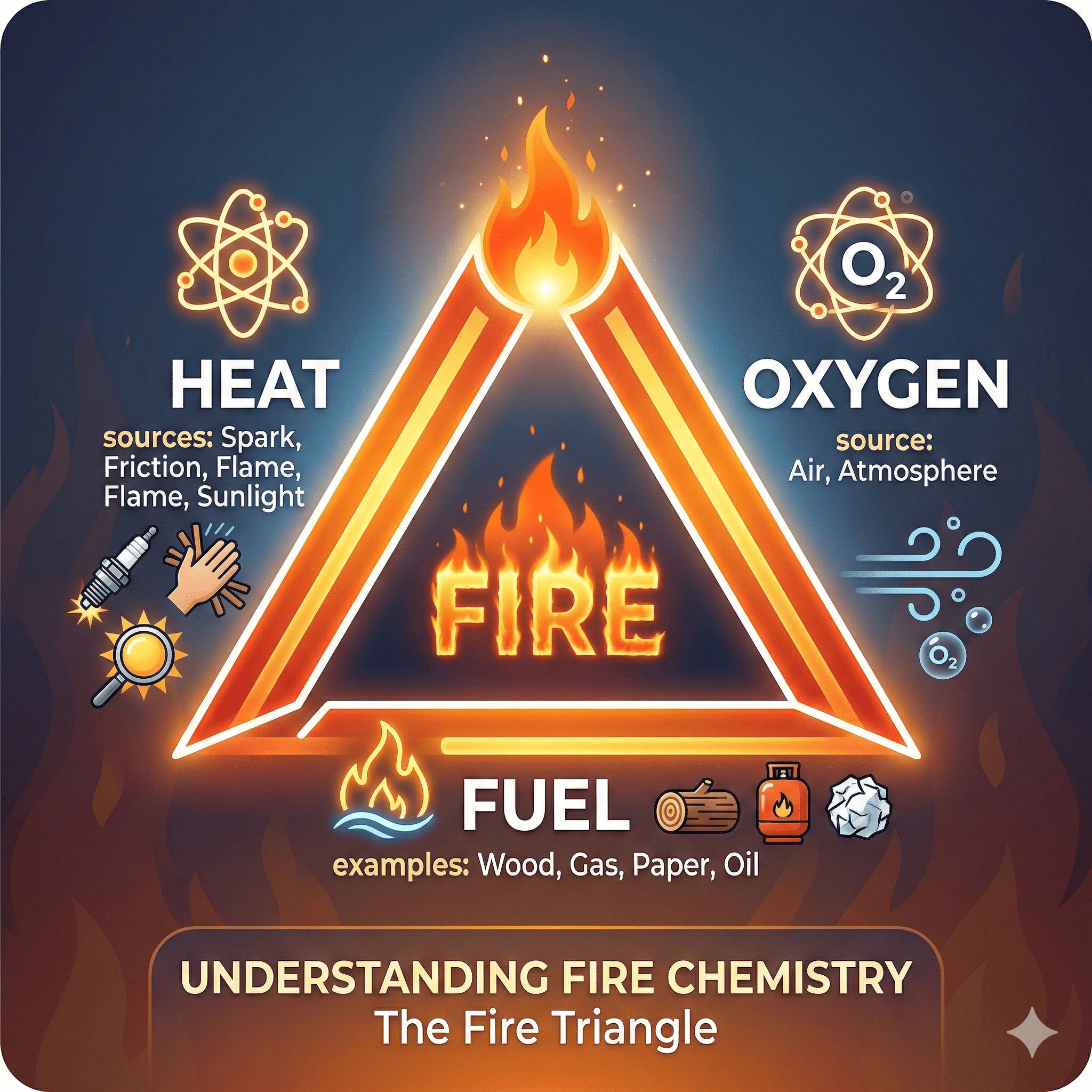
The Fire Triangle explains the three essential elements required for a fire to ignite and continue burning: heat, fuel, and oxygen. If any one of these elements is removed, the fire cannot survive. This simple but powerful concept forms the foundation of effective fire safety awareness training in Ireland and practical fire prevention training in Ireland.
What Is the Fire Triangle?
The Fire Triangle is a model used worldwide in fire science and emergency response training. It demonstrates that fire is a chemical reaction that depends on three components working together:
-
Heat
-
Fuel
-
Oxygen
In workplace fire safety training in Ireland, employees learn how these elements interact and how everyday workplace activities can unintentionally bring them together.
Element 1: Heat
Heat provides the energy required to start a fire. Without sufficient heat, fuel will not ignite. In Irish workplaces, common heat sources include:
-
Electrical equipment and overloaded sockets
-
Machinery and mechanical friction
-
Hot works such as welding and cutting
-
Cooking appliances in hospitality settings
-
Portable heaters
-
Smoking materials
A key objective of health and safety fire training in Ireland is helping employees recognise potential heat sources and understand how to control them.
For example, poor maintenance of electrical systems can cause overheating. Faulty wiring, damaged plugs, or overloaded extension leads are frequent causes of workplace fires. Through proper fire safety training in Ireland, employees learn to report these hazards before they escalate.
Element 2: Fuel
Fuel is any material that can burn. Almost every workplace contains combustible materials. Common examples include:
-
Paper and cardboard
-
Packaging materials
-
Wood and furniture
-
Flammable liquids and solvents
-
Chemicals and gases
-
Textiles and soft furnishings
In industrial and construction environments, fuel sources may also include waste materials, dust accumulation, and stored fuels.
Effective fire prevention training in Ireland teaches employees how to reduce fuel risks by:
-
Maintaining good housekeeping standards
-
Storing flammable materials correctly
-
Disposing of waste regularly
-
Keeping storage areas organised
-
Following safe chemical handling procedures
Controlling fuel sources is one of the most practical steps organisations can take to reduce fire risk.
Element 3: Oxygen
Oxygen supports combustion. The air we breathe contains approximately 21% oxygen, which is more than enough to sustain most fires. In confined spaces or areas with increased airflow, fires can spread more rapidly due to a steady oxygen supply.
In fire safety awareness training in Ireland, learners understand how oxygen contributes to fire growth and why certain extinguishing methods work by removing or limiting oxygen.
For example:
-
Closing doors during evacuation can slow the spread of fire by limiting oxygen flow.
-
CO₂ extinguishers work by displacing oxygen around the fire.
Understanding oxygen’s role helps employees make informed decisions during emergencies.
How the Fire Triangle Applies to Workplace Risk Assessment
A central requirement of fire safety legislation in Ireland is conducting fire risk assessments. During these assessments, employers must identify situations where heat, fuel, and oxygen could combine.
This is why the Fire Triangle is embedded in every structured fire safety course in Ireland. By evaluating each side of the triangle, organisations can:
-
Identify ignition sources (heat)
-
Reduce combustible materials (fuel)
-
Manage ventilation and containment (oxygen)
Breaking any side of the triangle significantly reduces fire risk.
Breaking the Fire Triangle: How Fires Are Extinguished
A major component of fire safety certification in Ireland involves understanding how different extinguishers break the Fire Triangle.
Different extinguishers target different elements:
-
Water extinguishers remove heat by cooling the fire.
-
Foam extinguishers remove heat and create a barrier between fuel and oxygen.
-
CO₂ extinguishers remove oxygen by displacing it.
-
Dry powder extinguishers interrupt the chemical reaction of combustion.
In both fire warden training in Ireland and fire marshal training in Ireland, participants receive deeper instruction on selecting the correct extinguisher type based on fire classification.
Using the wrong extinguisher can increase risk. For example, water should not be used on electrical or flammable liquid fires. This is why proper workplace fire safety training in Ireland is essential.
Fire Growth and the Importance of Early Action
When heat, fuel, and oxygen combine, fire can spread rapidly. In its early stages, a fire may be small and manageable. However, if left unchecked, it can escalate within minutes.
Understanding the Fire Triangle allows employees to:
-
Recognise early warning signs
-
Act quickly and safely
-
Follow correct evacuation procedures
-
Avoid unsafe firefighting attempts
Through online fire safety training in Ireland, employees learn not only how fires start but also when evacuation is the safest option.
The Fire Triangle and Fire Prevention Culture
The ultimate goal of fire prevention training in Ireland is not just emergency response, but prevention. By embedding the Fire Triangle into daily safety awareness, organisations create a proactive safety culture.
Employees trained in fire safety awareness training in Ireland are more likely to:
-
Switch off unused electrical equipment
-
Store materials safely
-
Report hazards immediately
-
Keep fire exits clear
-
Participate actively in fire drills
When everyone understands the science behind fire, prevention becomes part of everyday workplace behaviour.
Why This Topic Is Essential in Fire Safety Training in Ireland
The Fire Triangle may seem simple, but it underpins all effective fire safety strategies. From conducting risk assessments to using extinguishers correctly, every aspect of health and safety fire training in Ireland is linked back to these three elements.
Whether completing a general fire safety course in Ireland or specialised fire warden training in Ireland, understanding fire chemistry ensures that learners grasp not just procedures, but the reasoning behind them.
This deeper understanding leads to:
-
Better hazard identification
-
Faster emergency response
-
Reduced fire incidents
-
Improved legal compliance
-
Safer workplaces overall
Conclusion
Understanding Fire Chemistry and the Fire Triangle is a cornerstone of comprehensive fire safety training in Ireland. By recognising how heat, fuel, and oxygen interact, employees and employers can actively reduce risks and strengthen fire prevention measures.
Incorporating this knowledge into structured workplace fire safety training in Ireland, whether delivered in person or through online fire safety training in Ireland, ensures organisations meet their legal obligations while creating safer environments for everyone.
Fire safety begins with understanding how fire works — and the Fire Triangle provides the foundation for prevention, protection, and preparedness in every Irish workplace.