



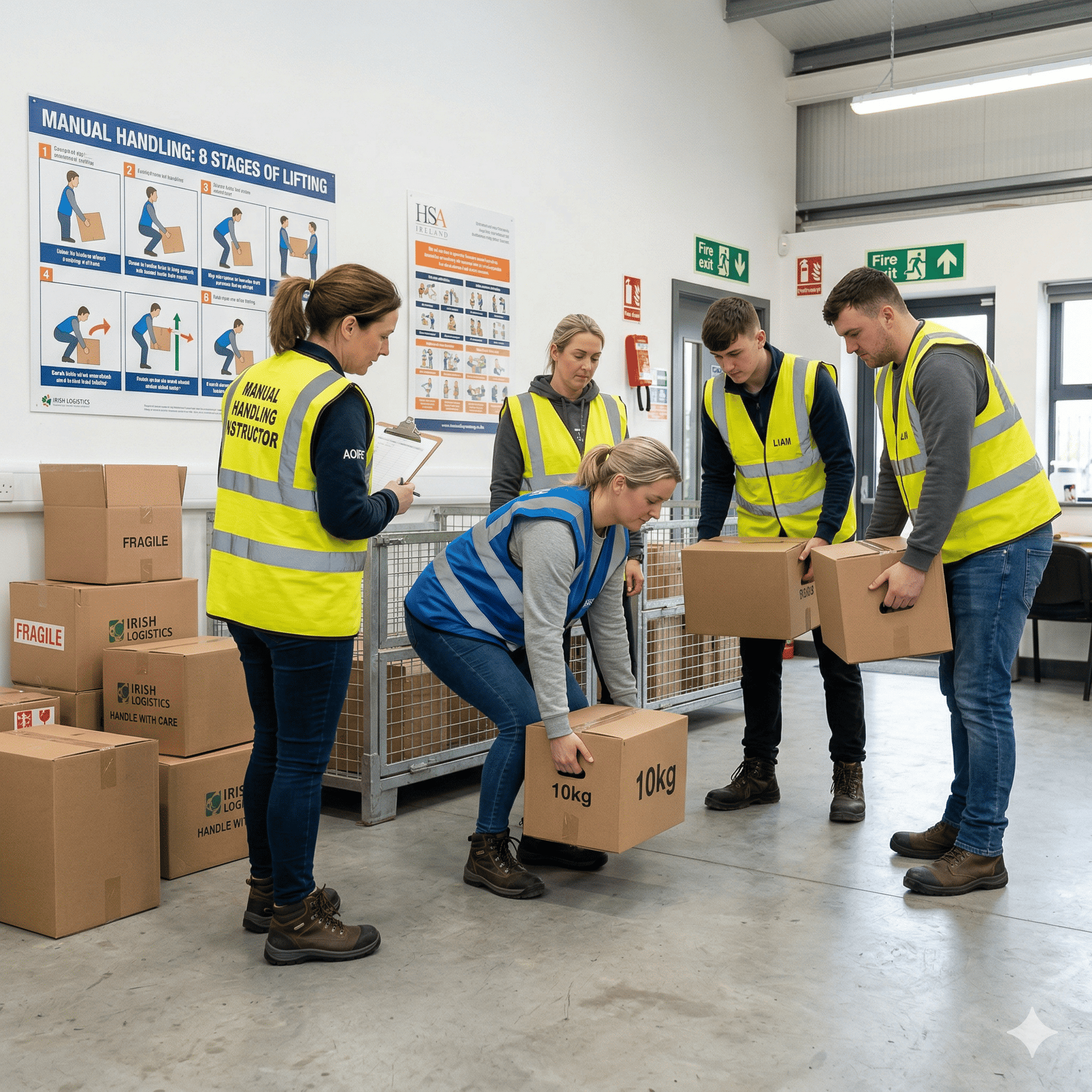
In today’s competitive business environment, workplace safety is not just a legal requirement—it is a key factor in operational efficiency, employee satisfaction, and company reputation. One of the most essential aspects of workplace safety in Ireland is manual handling training. Employers across various industries are increasingly investing in manual handling training Ireland to ensure their staff work safely, avoid injuries, and comply with legal obligations.
Understanding Manual Handling
Manual handling refers to any activity that requires a person to lift, carry, push, pull, or move objects. While it might seem straightforward, improper manual handling is a leading cause of workplace injuries, particularly musculoskeletal disorders. According to Irish workplace safety data, thousands of injuries each year are linked to poor lifting techniques and inadequate training.
Investing in manual handling course Ireland equips employees with the knowledge and skills to handle materials safely. This training covers proper lifting techniques, posture, ergonomics, risk assessment, and practical strategies for avoiding injury.
Legal Requirements and Compliance
In Ireland, the Safety, Health and Welfare at Work Act 2005 and associated regulations place a legal responsibility on employers to provide a safe working environment. This includes providing proper training on manual handling tasks. Failure to comply can result in legal penalties, increased insurance premiums, and reputational damage.
By offering manual handling training Ireland, businesses demonstrate compliance with these regulations. Staff are educated on safe practices, reducing the risk of workplace accidents and ensuring the organization meets its legal obligations.
Protecting Employees and Reducing Injuries
The primary reason businesses invest in manual handling training Ireland is to protect their staff. Injuries caused by improper handling of materials can range from minor strains to severe back injuries that may prevent employees from returning to work for months.
A well-structured manual handling course online or in-person teaches employees the correct techniques for lifting, carrying, and moving loads. It also raises awareness of environmental hazards and encourages a proactive approach to safety. When employees feel safe, workplace morale improves, and staff retention rates increase.
Financial Benefits for Employers
Investing in manual handling certification Ireland is not just about compliance and safety; it also makes financial sense. Workplace injuries can be costly due to compensation claims, lost productivity, medical expenses, and potential legal costs.
By reducing the risk of injuries through proper manual handling training for staff Ireland, companies can save significantly in the long run. Fewer accidents mean lower insurance premiums, reduced absenteeism, and minimized disruptions to operations. In fact, studies show that every euro invested in staff safety can yield multiple euros in savings from avoided accidents and productivity gains.
Enhancing Productivity and Efficiency
Proper manual handling training does more than prevent injuries—it also boosts operational efficiency. Employees trained in correct techniques are faster, more confident, and less likely to make mistakes that could damage goods or equipment.
Offering manual handling course Ireland allows employees to work smarter, not harder. Training teaches them how to plan lifts, use equipment correctly, and coordinate tasks with coworkers safely. This reduces downtime, prevents damage to products or machinery, and increases overall workplace productivity.
Tailored Training for Different Workplaces
Every workplace has unique manual handling challenges. Retail stores, warehouses, construction sites, and healthcare facilities all face different risks and require tailored approaches.
Businesses can choose from a variety of manual handling courses online or classroom-based options to match their specific needs. For example, warehouse staff may need advanced techniques for lifting heavy boxes, while healthcare workers may focus on safely moving patients. Customizing training ensures employees gain the most relevant skills for their roles, making the investment even more effective.
Certification and Recognition
Another key factor driving investment in manual handling course Ireland is certification. Employees who complete a manual handling certificate Ireland gain formal recognition of their skills, which can boost confidence and demonstrate competence to employers.
Certification also provides legal proof that an employer has fulfilled its duty to train staff. This can be especially important during inspections, audits, or if an incident occurs. A certified workforce signals professionalism, commitment to safety, and adherence to best practices.
Online vs. In-Person Training Options
Many businesses are now opting for manual handling course online due to its flexibility and accessibility. Online courses allow staff to complete training at their own pace, often in just 45 minutes, without disrupting daily operations.
However, some organizations prefer in-person training for practical, hands-on experience. Both options can include assessments, demonstrations, and certifications. The key is to ensure the training meets regulatory standards and provides employees with the confidence and knowledge to handle materials safely.
Building a Safety Culture
Investing in manual handling training Ireland is more than a one-time initiative—it is part of creating a long-term safety culture. When safety is prioritized, employees feel valued and are more likely to follow protocols, report hazards, and support their colleagues.
A strong safety culture not only reduces injuries but also enhances employee engagement, satisfaction, and loyalty. Staff who see that their employer cares about their well-being are more motivated, which ultimately benefits the entire business.
Conclusion
In 2026, businesses across Ireland increasingly recognize the importance of investing in manual handling training Ireland. From compliance with legal requirements to protecting employees, reducing costs, and boosting productivity, the benefits are clear.
Offering manual handling course Ireland—whether online or in-person—ensures that staff are trained, certified, and confident in their abilities. This investment strengthens workplace safety, enhances efficiency, and builds a culture of care and professionalism.
For Irish businesses looking to protect their workforce and improve operations, there has never been a better time to prioritize manual handling training for staff. With courses available from as low as €25, companies of all sizes can make this essential investment in their people and their future.