



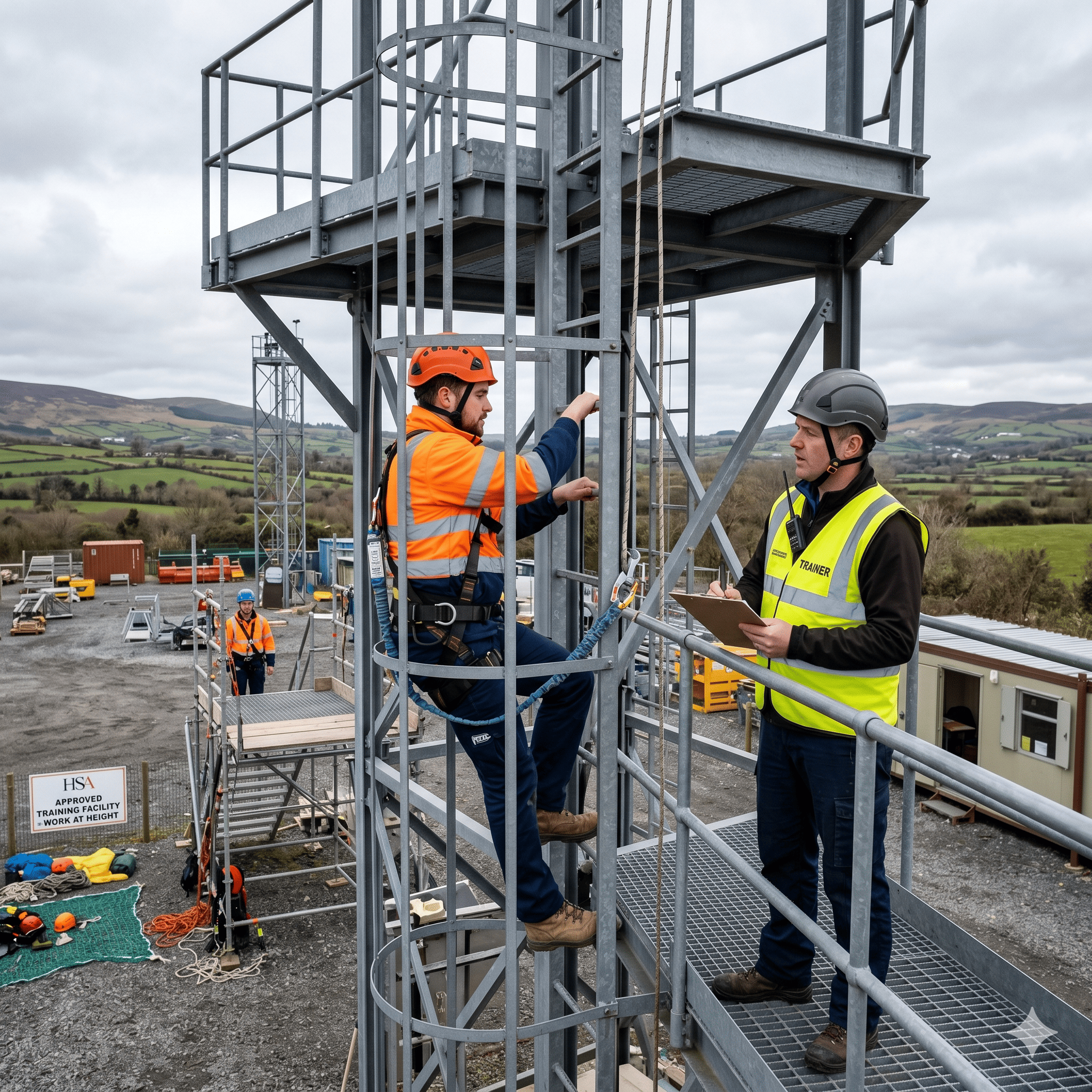
Working at Heights Training in Ireland is one of the most important components of workplace safety across construction, maintenance, warehousing, roofing, telecommunications, and many other industries. Any task performed above ground level carries a risk of falling, and even relatively low heights can result in serious injury or fatality.
Because of this, health and safety courses in Ireland consistently prioritise working at heights awareness and competence. Employers are legally required to ensure that employees understand how to work safely, use equipment correctly, and follow structured safety procedures before carrying out any elevated tasks.
This article explains why working at heights training is critical for workplace safety in Ireland, what risks it addresses, and how it improves compliance and performance across industries.
Understanding the Risk of Working at Height
Working at height refers to any situation where a person could fall and be injured. It is not limited to rooftops or tall buildings. It includes everyday workplace activities such as:
- Using ladders in warehouses or offices
- Working on scaffolding
- Roof repairs or inspections
- Using mobile elevated work platforms (MEWPs)
- Accessing mezzanine floors
- Installing equipment at elevated positions
Falls from height are among the most common causes of serious workplace accidents in Ireland. Many incidents occur during routine tasks when workers underestimate the risk.
This is why working at heights training in Ireland is essential for prevention.
Why Working at Heights Training Is So Important
There are several key reasons why this type of training is critical for workplace safety.
1. Preventing Serious Injuries and Fatalities
The most important reason is simple: it saves lives.
Training helps workers:
- Recognise hazards before starting work
- Use equipment safely and correctly
- Avoid risky shortcuts
- Follow safe systems of work
Without proper training, even small mistakes can lead to severe consequences.
2. Legal Requirements in Ireland
Irish employers have a legal duty to ensure worker safety.
Safety, Health and Welfare at Work Act 2005
Employers must:
- Provide safe working environments
- Ensure workers are trained and competent
- Assess and control risks
- Prevent foreseeable accidents
Work at Height Regulations
These require employers to:
- Avoid working at height where possible
- Conduct risk assessments
- Use appropriate equipment
- Provide adequate training and supervision
Because of these laws, health and safety courses online in Ireland are essential for compliance.
3. Reducing Workplace Accidents
Many accidents occur due to preventable mistakes such as:
- Using unsafe ladders
- Poor positioning or overreaching
- Ignoring weather conditions
- Skipping equipment inspections
- Lack of PPE
Training directly addresses these issues by teaching correct procedures.
4. Improving Hazard Awareness
One of the biggest risks in workplace safety is lack of awareness.
Workers trained in working at heights training in Ireland learn to identify:
- Unprotected edges
- Fragile surfaces
- Slippery conditions
- Falling object risks
- Poor lighting
- Environmental hazards like wind or rain
Early identification of hazards significantly reduces accident rates.
5. Ensuring Proper Use of Equipment
Improper use of equipment is a major cause of falls.
Training covers safe use of:
- Ladders
- Scaffolding
- Mobile elevated work platforms (MEWPs)
- Safety harnesses and fall arrest systems
Workers learn how to inspect and use equipment correctly to avoid failure or misuse.
6. Supporting Safe Decision-Making
In high-risk environments, workers often need to make quick decisions.
Training helps them:
- Assess risks before acting
- Stop unsafe work when necessary
- Choose safer alternatives
- Follow established safety procedures
Better decision-making reduces unnecessary exposure to danger.
7. Improving Workplace Compliance
Employers must demonstrate compliance with Irish safety laws.
A valid working at heights certificate online helps prove that:
- Workers are trained
- Safety procedures are followed
- Risk management systems are in place
This reduces legal and financial risk for businesses.
8. Building a Strong Safety Culture
Workplace safety is not just about rules—it is about behaviour.
Training encourages workers to:
- Take responsibility for safety
- Report hazards
- Follow procedures consistently
- Support colleagues in safe practices
A strong safety culture leads to fewer accidents overall.
9. Reducing Employer Liability
Without proper training, employers risk:
- Legal penalties
- Insurance claims
- Workplace investigations
- Financial losses
Investing in health and safety courses in Ireland helps protect businesses from these risks.
10. Essential Across Many Industries
Working at height is not limited to construction.
It is common in:
- Warehousing and logistics
- Maintenance services
- Facilities management
- Telecommunications
- Electrical work
- Cleaning and building services
This makes training essential across a wide range of job roles.
What Working at Heights Training Covers
A high-quality course includes both theory and practical safety knowledge.
Hazard Identification
Workers learn to identify risks such as:
- Open edges
- Fragile roofs
- Slippery surfaces
- Falling objects
- Weather conditions
Risk Assessment
Training teaches how to:
- Evaluate work environments
- Identify hazards
- Assess risk levels
- Implement safety controls
Ladder Safety
Includes:
- Correct ladder selection
- Safe setup
- Inspection before use
- Proper climbing techniques
- Avoiding overreach
Scaffolding Awareness
Workers learn:
- Safe access points
- Stability checks
- Guardrail systems
- Identifying unsafe scaffolding
PPE and Fall Protection
Training includes:
- Safety harness use
- Lanyards and anchor points
- Fall arrest systems
- Helmets and protective gear
Emergency Procedures
Workers also learn:
- Rescue planning
- Incident reporting
- Emergency response
- Evacuation procedures
Benefits of Online Training
Many organisations now use working at heights online training in Ireland.
Advantages include:
- Flexible learning schedules
- Faster certification
- Lower costs
- Remote access
- Consistent training standards
After completion, learners receive a working at heights certificate online.
Common Mistakes Prevented by Training
Training helps eliminate dangerous habits such as:
- Using unsafe ladders
- Ignoring weather conditions
- Poor planning
- Skipping safety checks
- Incorrect PPE use
- Rushing tasks
These mistakes are responsible for many preventable accidents.
Choosing the Right Training Provider
When selecting health and safety courses online in Ireland, ensure:
- Accreditation and compliance
- Recognised certification
- Clear course structure
- Employer acceptance
- Strong provider reputation
A reliable provider ensures training is valid and trusted.
Final Thoughts
Why Working at Heights Training Is Critical for Workplace Safety in Ireland highlights the essential role of proper training in preventing workplace accidents and ensuring compliance with Irish law. Working at height is one of the most dangerous activities across many industries, but it is also one of the most preventable sources of injury when proper systems are in place.
Through working at heights training in Ireland, workers gain essential skills in hazard awareness, risk assessment, equipment use, and emergency response. Employers benefit from reduced accidents, improved compliance, and stronger workplace safety culture.
Ultimately, working at heights training is not just a requirement—it is a vital investment in protecting lives and ensuring safe working environments across Ireland.