



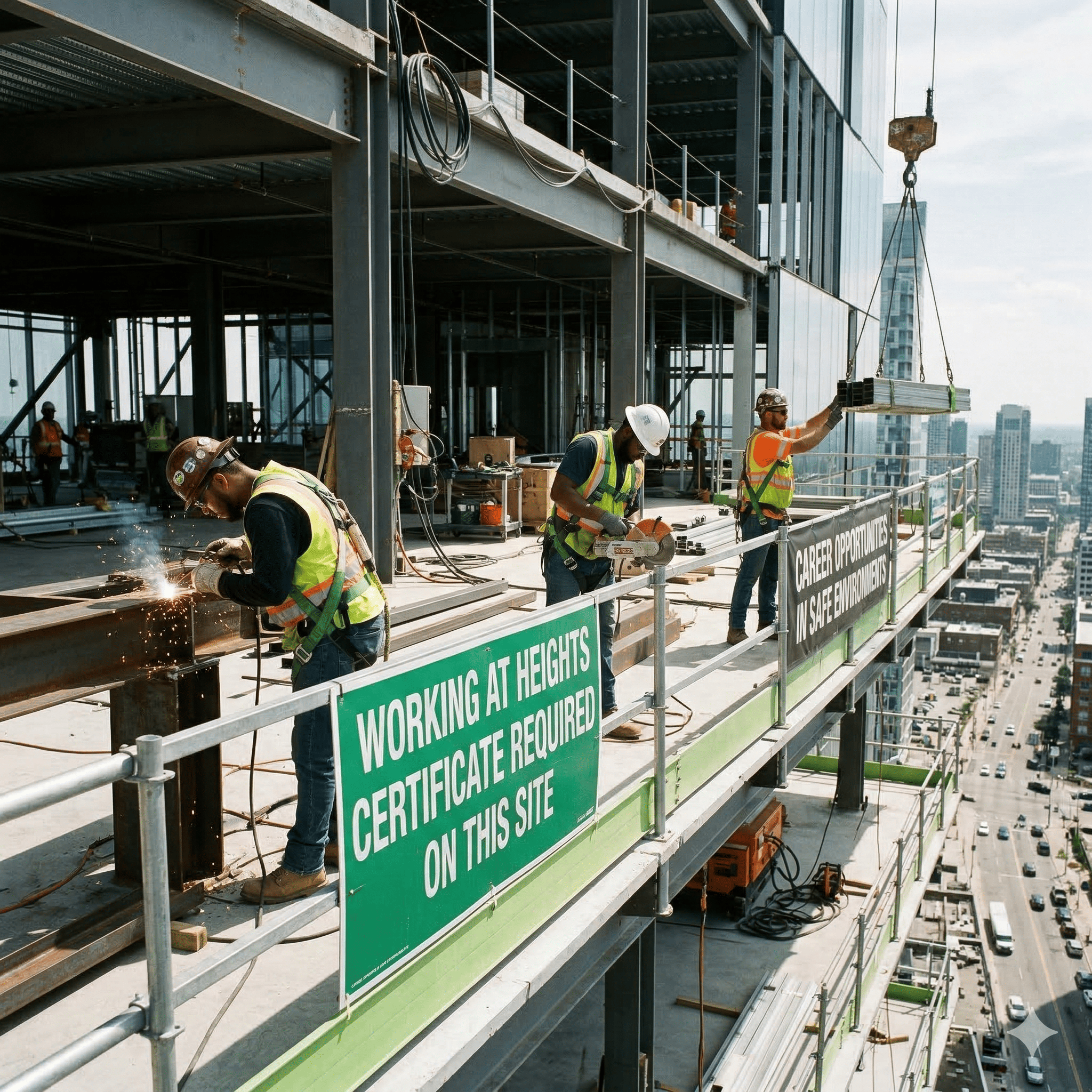
In Ireland, working at elevated levels is a common part of many industries, from construction and maintenance to utilities and telecommunications. With falls from height being one of the leading causes of workplace injuries, safety regulations are strict. As a result, having a working at heights certificate has become essential for employees who perform tasks above ground level.
Whether you obtain it through working at heights training in person or via working at heights online training, this certification demonstrates competence and compliance with Irish workplace safety standards. Beyond safety, it also opens doors to numerous career opportunities where elevated work is routine.
In this article, we’ll explore why a working at heights certificate is important, how it can boost your employability, and the key career paths that require this certification.
Why a Working at Heights Certificate is Essential
A working at heights certificate shows that an individual has received formal training to:
-
Identify fall hazards and risks
-
Use personal protective equipment (PPE) correctly
-
Operate ladders, scaffolds, and elevated platforms safely
-
Follow emergency procedures and rescue plans
Employers in Ireland often require this certification to comply with the Safety, Health and Welfare at Work Act. Having a certificate ensures that workers are competent to carry out high-risk tasks safely, protecting both themselves and their colleagues.
Additionally, holding a working at heights certificate signals professionalism and commitment to safety, enhancing your credibility and employability.
Career Opportunities That Require a Working at Heights Certificate
Many roles across different sectors require a working at heights certificate. These jobs often involve elevated tasks where the risk of falls is significant. Some of the top opportunities include:
1. Construction Workers
Construction remains one of the highest-risk industries for falls. Workers involved in building, roofing, or scaffolding must be trained to prevent accidents. Employers typically require a valid working at heights certificate to allow staff to work on rooftops, scaffolds, and high structures safely.
Why it matters: Construction workers are frequently inspected for compliance, and having a certificate ensures eligibility for site assignments.
2. Maintenance and Facility Management
Maintenance technicians, electricians, and HVAC engineers often work on elevated platforms, rooftops, or ladders. Completing working at heights training equips them with the skills to work safely while performing repairs, inspections, or installations.
Benefit: A certificate increases employability for maintenance roles in large facilities, hospitals, and commercial buildings.
3. Telecommunication and Utilities Workers
Telecom technicians and utility engineers frequently climb towers, poles, and elevated equipment. For these high-risk roles, a working at heights certificate is mandatory. Training teaches safe ladder use, fall arrest systems, and emergency rescue techniques.
Career impact: Certification is often required before accessing client sites or specialized equipment, making it a must-have for industry positions.
4. Window Cleaners and Exterior Building Services
Window cleaning and exterior maintenance involve working on scaffolds, ropes, or suspended platforms. A working at heights certificate is essential to demonstrate competence and ensure legal compliance.
Advantage: Certification gives employers confidence in your ability to perform high-risk tasks safely, increasing job opportunities.
5. Wind Turbine Technicians
The renewable energy sector in Ireland is growing rapidly, and wind turbine technicians are in high demand. These professionals work at significant heights, often on turbine blades or towers, making working at heights training crucial.
Why it’s required: Employers and safety regulators mandate certification to reduce accidents and comply with strict safety standards.
6. Fire and Rescue Services
Some fire service roles involve rooftop operations, ladder rescues, or elevated emergency situations. Personnel in these positions must be trained in working safely at heights. A working at heights certificate ensures firefighters can perform their duties effectively while minimizing risk.
Career benefit: Certification may also enhance promotion eligibility within emergency services.
7. Scaffolders and Rope Access Technicians
Scaffolders and rope access professionals routinely work at high elevations. Working at heights training teaches proper harness use, anchor points, and fall protection systems—skills directly applicable to these roles.
Impact on employment: Many employers in construction and maintenance require valid certification before hiring scaffolders or rope access technicians.
8. Industrial and Warehouse Roles
Some industrial roles, such as warehouse stock pickers or crane operators, may require elevated work. Even in these environments, a working at heights certificate ensures employees understand safe procedures and fall prevention.
Benefit: Certification reduces workplace injuries and demonstrates a commitment to safety culture.
How a Working at Heights Certificate Boosts Career Prospects
Holding a working at heights certificate provides several advantages for career growth:
-
Enhanced Employability – Many employers make certification a requirement for hiring.
-
Access to High-Risk Roles – Certified workers can take on elevated tasks others cannot.
-
Professional Credibility – Certification shows that you understand and can comply with Irish safety regulations.
-
Potential for Higher Pay – High-risk roles often offer better compensation to certified workers.
-
Job Mobility – Recognized certificates allow you to work across multiple sites and sectors in Ireland.
Online Training for Remote and Flexible Learners
Many workers now obtain their working at heights certificate through working at heights online training, which offers:
-
Flexibility to complete modules at home or on-site
-
Interactive content, videos, and quizzes
-
Immediate digital certificates
-
Integration with other health and safety courses online
Online learning is particularly beneficial for remote workers, busy professionals, or those needing refresher training without disrupting work schedules.
Choosing the Right Course
When selecting a working at heights training course, consider the following:
-
Accreditation: Ensure the provider is recognized in Ireland.
-
Content Coverage: Risk assessment, fall prevention, and emergency procedures must be included.
-
Format: Online, classroom, or blended learning based on your needs.
-
Certification Validity: Certificates usually last 2–3 years before renewal is needed.
-
Practical Assessment: Ensure practical skills are demonstrated where required.
Selecting the right course ensures you receive valid certification and gain skills applicable to your career.
Maintaining Your Certificate
A working at heights certificate is not permanent. Irish regulations typically require refresher training every 2–3 years. Maintaining your certification ensures you:
-
Remain compliant with health and safety laws
-
Keep skills and knowledge up-to-date
-
Retain eligibility for high-risk roles
Online refresher courses make this process easier, allowing workers to renew their certification without attending lengthy in-person classes.
Conclusion
A working at heights certificate is essential for anyone performing elevated work in Ireland. From construction and maintenance to wind turbines and rope access roles, certification demonstrates competence, compliance, and commitment to safety.
Completing working at heights training, whether in person or through working at heights online training, opens doors to multiple career opportunities, improves employability, and allows workers to safely perform high-risk tasks.
For employers, hiring certified staff reduces workplace accidents, ensures compliance with Irish health and safety regulations, and fosters a strong safety culture.
If you’re aiming for a career that involves elevated work, obtaining a working at heights certificate is not just recommended — it’s essential. Combine it with other health and safety courses online to further boost your skills and career potential in Ireland.