



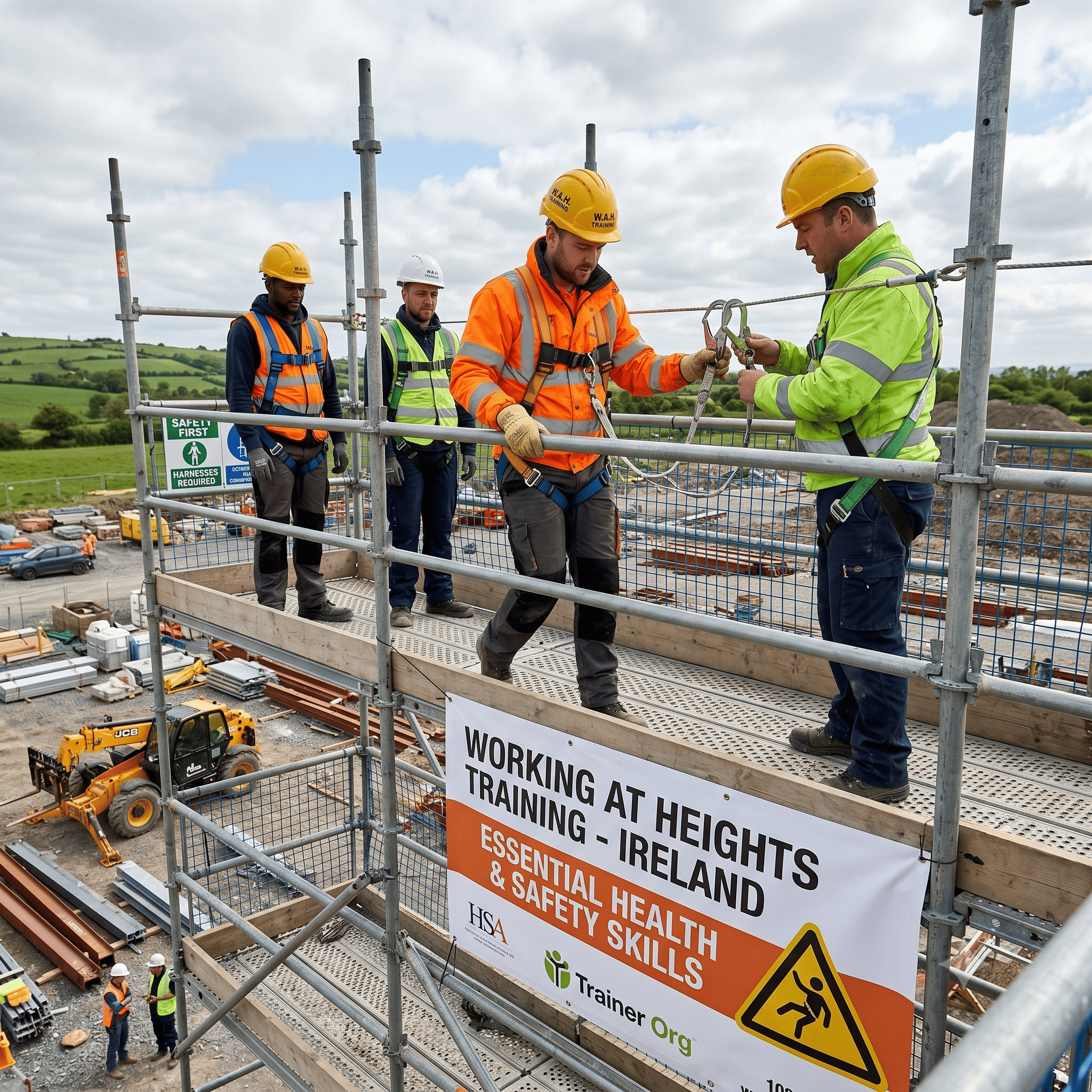
Working at heights is one of the most high-risk activities in many industries in Ireland, particularly in construction, maintenance, warehousing, utilities, telecommunications, and facilities management. A simple slip, unstable surface, or lack of proper equipment can lead to serious injury or even fatal accidents. Because of this, working at heights training in Ireland has become a critical part of workplace safety and legal compliance.
This article explores why this training matters, what it includes, who needs it, and how it helps both employees and employers maintain safer work environments.
Why Working at Heights Training Is So Important
Falls from height remain one of the leading causes of workplace fatalities and serious injuries across Europe. In Ireland, employers have a legal duty under health and safety legislation to provide safe systems of work, proper training, and suitable equipment.
Working at heights training ensures that workers:
- Understand risks associated with elevated work areas
- Know how to use safety equipment correctly
- Can identify hazards before starting a task
- Follow proper procedures to reduce fall risks
Without proper training, even experienced workers can make mistakes that lead to life-changing accidents.
Legal Requirements in Ireland
In Ireland, workplace safety is governed primarily by the Safety, Health and Welfare at Work Act 2005. Employers must ensure employees are:
- Properly trained for hazardous tasks
- Supervised where necessary
- Provided with appropriate safety equipment
- Protected through risk assessments and safe systems of work
For tasks involving height, additional regulations such as the General Application Regulations 2007 (Work at Height Regulations) apply. These rules require employers to avoid working at height where possible, and when unavoidable, to ensure it is properly planned and controlled.
Completing a working at heights certificate in Ireland helps demonstrate compliance and can be essential during inspections or audits.
Who Needs Working at Heights Training?
This training is not limited to construction workers. Many roles require it, including:
- Construction workers and site operatives
- Roofers and scaffolders
- Window cleaners
- Maintenance technicians
- Warehouse staff using mezzanines or ladders
- Telecom and utility engineers
- Facilities and building maintenance teams
If a job involves ladders, scaffolding, rooftops, or elevated platforms, training is essential.
What You Learn in Working at Heights Training
A quality health and safety course in Ireland focusing on working at heights covers both theory and practical safety principles. Typical modules include:
1. Understanding Height-Related Risks
Workers learn how falls happen, including:
- Slips and trips
- Structural failures
- Improper ladder use
- Lack of edge protection
- Weather-related hazards
2. Risk Assessment and Planning
Before any task at height, workers must assess:
- Surface stability
- Weather conditions
- Access routes
- Equipment suitability
- Emergency procedures
Proper planning significantly reduces accident risks.
3. Safe Use of Ladders and Stepladders
Ladders are one of the most commonly misused tools. Training includes:
- Correct ladder positioning
- Inspection before use
- Three-point contact rule
- Avoiding overreach
- Safe climbing techniques
4. Working on Scaffolding and Platforms
Workers learn:
- How scaffolding systems work
- Safe access and egress
- Fall protection measures
- Platform stability checks
5. Personal Protective Equipment (PPE)
Proper PPE is essential when working at height. Training covers:
- Harness selection and fitting
- Anchor points
- Fall arrest systems
- Helmet and footwear requirements
6. Emergency Procedures
If something goes wrong, quick action is essential. Training includes:
- Rescue procedures
- First aid awareness
- Reporting incidents
- Evacuation protocols
Benefits of Online Working at Heights Training
Many providers now offer working at heights online training in Ireland, which makes certification more accessible and flexible.
Key benefits include:
Flexibility
Workers can complete training at their own pace without interrupting work schedules.
Cost-Effective
Online courses often reduce travel and classroom costs.
Easy Access
Training can be accessed from anywhere, making it ideal for remote teams or busy professionals.
Fast Certification
Many courses provide a working at heights certificate online upon completion, which can be used immediately for employment or compliance purposes.
Why Employers Should Prioritize This Training
For employers, investing in health and safety courses online in Ireland is not just about compliance—it directly impacts business performance.
Reduced Workplace Accidents
Fewer accidents mean fewer disruptions, investigations, and downtime.
Legal Protection
Proper training helps demonstrate due diligence in case of inspections or incidents.
Improved Productivity
Trained workers are more confident and efficient in their tasks.
Lower Insurance Costs
A strong safety record can reduce insurance premiums over time.
Common Mistakes in Working at Heights
Even trained workers sometimes make mistakes. The most common include:
- Not inspecting equipment before use
- Ignoring weather conditions
- Overreaching from ladders
- Using damaged PPE
- Skipping risk assessments
- Rushing tasks due to deadlines
Training helps reduce these behaviors by reinforcing safe habits.
How to Choose the Right Training Provider in Ireland
When selecting a working at heights training course in Ireland, consider:
- Accreditation and certification validity
- Whether the course meets Irish safety regulations
- Online vs in-person options
- Course content depth
- Employer recognition
- Customer reviews and reputation
A good provider will offer both theoretical knowledge and practical safety guidance.
Working at Heights Certificate: What It Includes
After successful completion of training, participants usually receive a working at heights certificate, which confirms:
- Completion of safety training modules
- Understanding of legal requirements
- Ability to work safely at height
- Awareness of PPE and risk control measures
This certificate is often required by employers before allowing workers onto sites or into high-risk environments.
Final Thoughts
Working at height is inherently risky, but with proper training, those risks can be significantly reduced. Whether through classroom learning or working at heights online training, workers gain the knowledge and confidence needed to perform tasks safely and efficiently.
For employers in Ireland, investing in health and safety courses focused on working at heights is not just a legal requirement—it is a crucial step in protecting lives, improving productivity, and building a strong safety culture.
A well-trained workforce is a safer workforce, and in high-risk environments, that makes all the difference.